What is a heavy drinker to do during the COVID-19 lockdown? Most people would say, “Well, so what, just don’t drink!”.
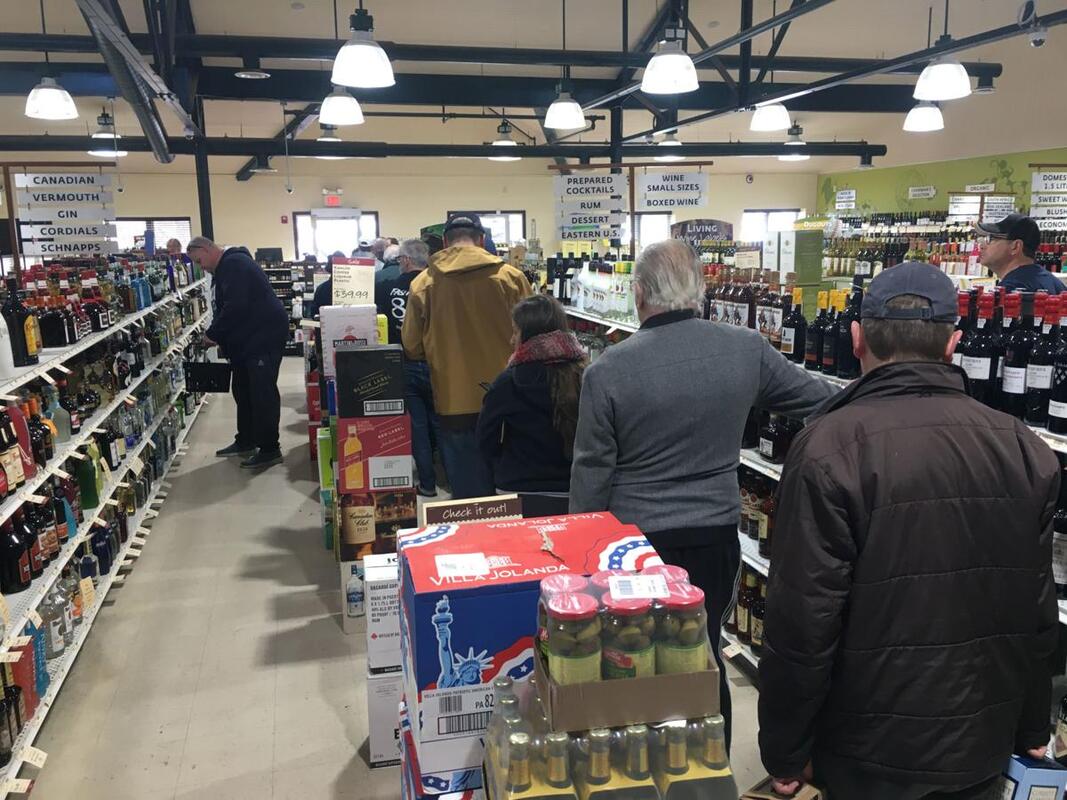
We have all seen the pictures of massive lineups outside liquor stores as they were about to close due to COVID-19. Why risk exposure to a virus with no cure that can kill your loved ones just for some alcohol? Most of us fall into the trap of looking at a substance use disorder through the lens of it being a question of personal control; if they have the willpower, they could stop drinking. Even those who suffer from alcohol addiction fall into this very same trap.
Couples come to my marriage retreats devastated and full of blame and shame because they see one of the spouses drinking as a moral and personal failure; “if you loved your family, you would stop drinking.” It is heartbreaking to see married couples on the verge of divorce due to a treatable condition if only we could get past the stigma and encourage proper addiction treatment.
Nora Volkow states in the May 11th Scientific American Blog that little progress has been made in removing the stigma around substance use disorders. People with alcohol addiction continue to be blamed for their disease. Even though medicine long ago reached a consensus that addiction is a complex brain disorder with behavioural components, the public and even many in healthcare and the justice system continue to view it as a result of moral weakness and flawed character.
How Couples Therapy Can Help When Addiction Strains a Marriage
When addiction enters a marriage, the relational damage it causes does not resolve automatically once treatment begins. Broken trust, accumulated shame, and collapsed communication patterns persist alongside sobriety, sometimes for years, because the relationship itself has never been treated. The addiction may be addressed; the marriage rarely is.
Couples therapy shifts this by treating the relationship as the unit of care, not just the individual. Both partners are supported through what is, for each of them, a profoundly disorienting experience. This reframes the dynamic from moral failure — the stigma that keeps so many couples from seeking help — to a shared recovery process. Neither partner carries the weight alone, and the work of repair becomes mutual rather than one-sided.
For couples whose relationship has been severely strained over time, a Couples Retreat at Ocean Coral intensive provides the concentrated therapeutic time that weekly sessions cannot. Consecutive days of focused couples work create the conditions for trust and communication to begin rebuilding in a sustained, uninterrupted way, particularly when both partners are ready to commit to the relationship’s recovery alongside individual treatment.
FAQs
Can couples therapy help a marriage affected by alcohol addiction?
Yes, with an important distinction. Couples therapy for addiction in a marriage focuses on the relationship rather than the addiction itself. It addresses the broken trust, shame, and communication breakdown that typically accompany addiction in a marriage. Couples-based approaches address both the relational dynamic and the individual recovery process. At Couples Retreat at Ocean Coral, the intensive format creates the concentrated space needed for this work, particularly for couples who have been in crisis for an extended period. Couples therapy is not a substitute for addiction treatment; it is the relational repair layer that works alongside it.
What if my partner is in denial about their drinking? Can we still work on our marriage?
Yes, couples therapy can still be valuable even when one partner has not acknowledged a substance problem. The relational damage — withdrawal, conflict patterns, erosion of trust, and emotional distance — can be addressed regardless of whether the substance use is named as the cause. A structured therapeutic environment often creates the conditions for a reluctant partner to become more open to honest reflection. Individual consultation with Andrew Sofin can help assess whether a couples retreat is appropriate given your specific situation, and what preparation is recommended before beginning.