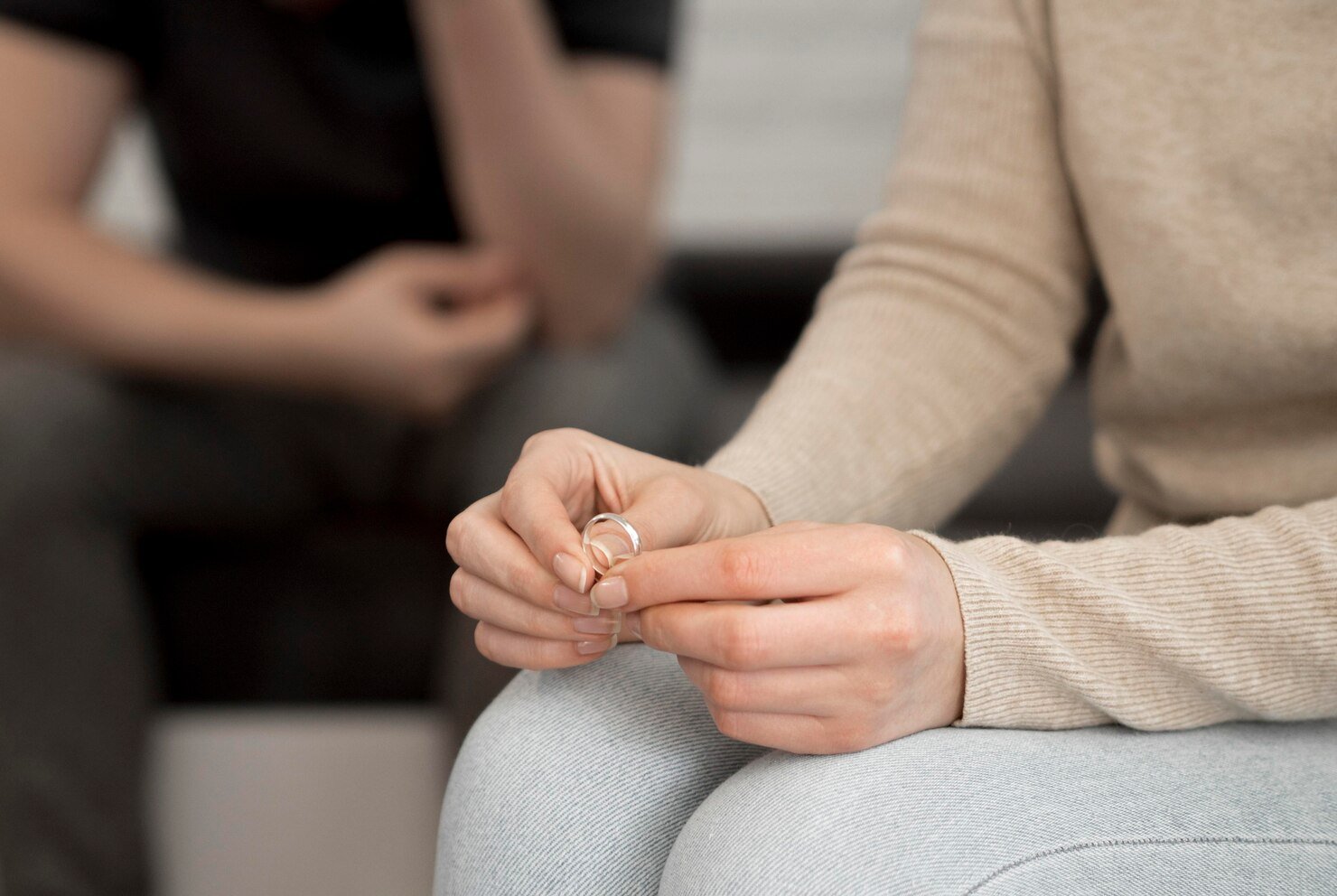
Few relationship questions feel as urgent or as emotionally loaded as this
one. Can marriage survive infidelity, or does cheating permanently destroy
the foundation of a relationship? Many couples searching for answers are
caught between hope and fear, wanting clarity about what recovery
realistically looks like and whether their marriage still has a
future.
Research on infidelity recovery offers both sobering and hopeful insights.
What percentage of marriages survive infidelity depends heavily on how
recovery is defined, whether couples seek professional support, and the
specific circumstances of the affair. Understanding the data, the predictors
of recovery, and the real timeline involved can help couples make grounded
decisions rather than reactive ones.
What the research actually says about marriages surviving infidelity
When couples search for infidelity recovery statistics, they often
encounter wildly different numbers. Some sources suggest only a small
percentage of marriages survive cheating, while others report far more
optimistic outcomes. According to research cited by organizations such as
the American Psychological Association, approximately 60 to 80 percent of
couples who enter couples therapy after infidelity remain together over
time.
In contrast, studies examining couples who attempt to recover without
professional support show much lower success rates. Only about 15 to 20
percent report meaningful reconciliation when no structured intervention is
involved. These divorce rates and marriage survival after infidelity
statistics are not contradictory. They are measuring different populations
and different definitions of success.
A critical distinction is the difference between staying married and truly
healing. Many couples technically remain together after an affair but
continue living with unresolved resentment, emotional distance, or chronic
mistrust. Research outcomes often count these marriages as survivors, even
though the relationship itself may not feel repaired.
Infidelity recovery statistics also vary because some studies track
short-term outcomes while others measure stability years later. A marriage
that remains intact at one year post disclosure may look very different at
the five-year mark. Understanding what the data actually measures helps
explain why the numbers appear so inconsistent.
Why survival rates vary from 15% to 80%
One reason recovery rates vary so widely is the difference between
help-seeking populations and the general population. Couples who voluntarily
enter marriage counseling after an affair are often more motivated to repair
the relationship than couples studied in broader surveys.
Another factor is how survival is defined. Some research defines survival
as remaining legally married, while other studies require emotional repair,
trust rebuilding, and relational satisfaction. These are very different
outcomes grouped under the same label.
There is also commercial bias in parts of the recovery industry, where
optimistic statistics are sometimes presented without context. Inflated
claims can give couples false expectations about how easy or fast recovery
should be, which often leads to disappointment rather than healing.
Factors that predict whether a marriage recovers from cheating
While no statistic can predict the outcome of a specific relationship,
research consistently identifies factors that increase or decrease the
likelihood of recovery. These predictors help couples assess their own
situation with greater clarity.
One of the strongest predictors is whether the unfaithful partner disclosed
the affair voluntarily or whether it was discovered. Confession, especially
when paired with genuine remorse, significantly improves recovery odds for
the betrayed spouse.
The type of infidelity also matters. Emotional affair versus physical
affair dynamics affect how deeply trust is damaged and how complex the
healing process becomes. Another key factor is whether the outside
relationship has truly ended. Continued contact with the affair partner
severely undermines trust rebuilding.
Both partners’ motivation plays a central role. Recovery requires effort
from the unfaithful partner and the betrayed partner, even though
responsibility for the betrayal itself does not lie equally. External
factors such as the presence of children and income level also correlate
with outcomes, though their effects are complex and do not guarantee
success.
How the type of infidelity affects recovery chances
One-time physical affairs generally have the highest recovery rates,
especially when the betrayal is disclosed quickly and addressed directly.
These situations often involve fewer attachment ruptures than longer
patterns of deception.
Emotional affairs are frequently experienced as more devastating by the
betrayed partner. The sense of emotional replacement can intensify feelings
of abandonment and loss, complicating recovery.
Long-term affairs and serial infidelity create deeper trust injuries.
Repeated deception often signals unresolved relational patterns or
individual issues that make recovery more challenging.
Digital and online infidelity has emerged as a distinct category. While
some minimize its impact, research shows that secrecy and emotional
investment can produce wounds similar to in-person affairs.
The timeline of recovery most couples don’t expect
Recovering from an affair in marriage is rarely quick or linear. Many
couples underestimate how long healing actually takes, which can lead to
premature decisions or frustration when progress feels slow.
The first six months after discovery are typically a crisis stabilization
phase. Emotions run high, trust is shattered, and daily functioning may feel
overwhelming. The primary goal during this period is containment, not
resolution.
Between six and twelve months, couples often engage in intensive rebuilding
work. This phase focuses on understanding what happened, establishing
transparency, and beginning trust rebuilding through consistent
behavior.
From one to two years, couples test new patterns under real-life stress.
Old triggers may resurface, and setbacks are common. Integration rather than
constant crisis becomes the focus.
Most long-term research measures outcomes at the three to five-year mark.
This is often when couples can assess whether the relationship has genuinely
healed or merely survived. Rushing this timeline often backfires by
pressuring partners to move faster than emotional repair allows.
What couples who successfully recover do differently
Couples with a higher surviving infidelity success rate tend to follow
specific patterns that go beyond generic advice. They establish full
transparency policies around devices, schedules, and whereabouts, not as
punishment but as scaffolding for trust.
Successful recovery also involves answering questions as many times as the
betrayed partner needs. Repetition is part of how the nervous system
processes betrayal, not a sign of unwillingness to move on.
Many couples combine couples therapy with individual therapy to address
personal vulnerabilities alongside relational repair. Over time, they work
to create meaning from the crisis rather than treating it as an isolated
event.
Importantly, these couples rebuild friendship and emotional safety before
attempting to restore romance or sexual intimacy.
The role of the unfaithful partner in recovery
The unfaithful partner plays a central role by taking full responsibility
without defensiveness or minimization. Patience with the betrayed partner’s
healing timeline is essential, even when progress feels slow.
Consistent behavior change over time matters more than verbal reassurance.
Ending all contact with the affair partner is non-negotiable for trust rebuilding.
The role of the betrayed partner in recovery
The betrayed partner benefits from allowing themselves to grieve without
self-judgment. Asking directly for what they need helps prevent resentment
from building silently.
A genuine decision to try is important, even if that decision remains
tentative at first. Recognizing the difference between triggers and
rumination supports emotional regulation during recovery.
Why some marriages need intensive intervention
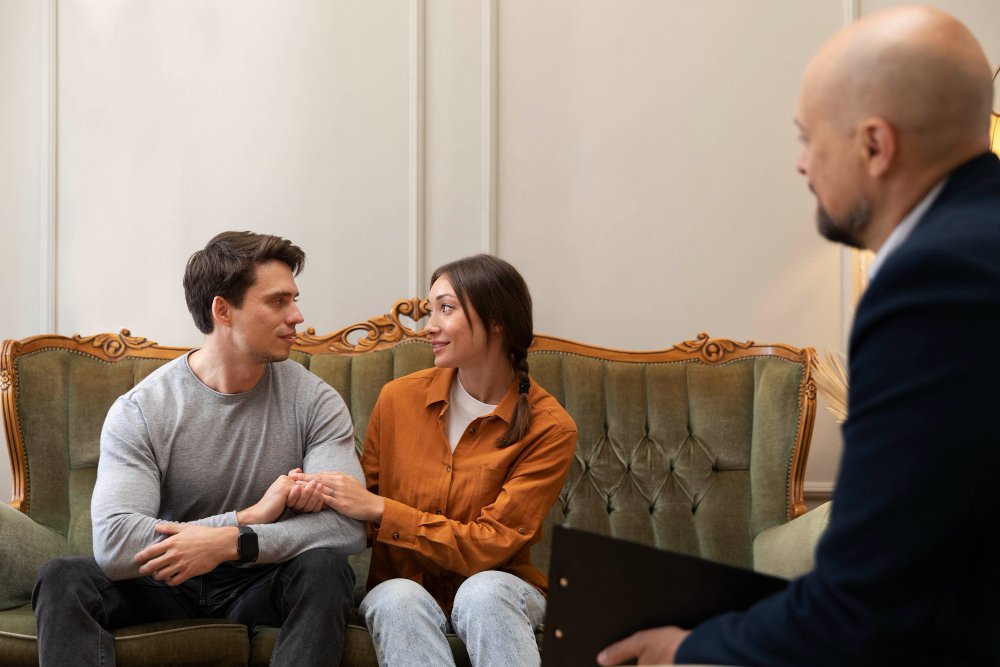
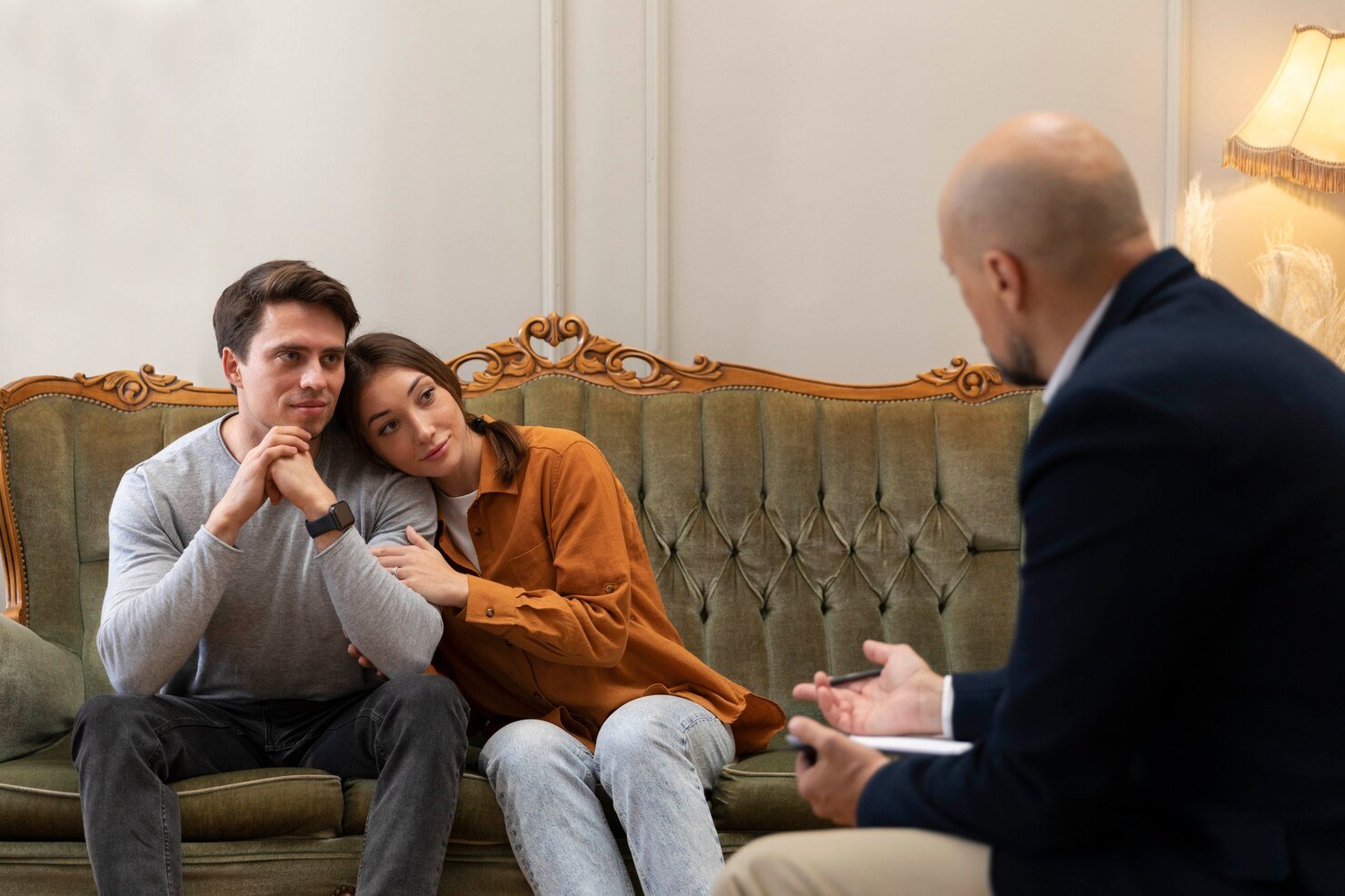
Weekly fifty-minute marriage counseling sessions can be insufficient for
crisis-level situations involving infidelity. Research on intensive therapy formats shows that longer sessions or
multi-day programs can accelerate progress by maintaining therapeutic
momentum.
Intensive couples therapy and marriage counseling formats allow partners to
stay emotionally engaged rather than repeatedly reopening wounds week after
week. Immersive environments also remove daily distractions that often
interfere with healing conversations.
Couples who benefit most from intensive work include those dealing with
severe trust ruptures, long-term affairs, or repeated conflict cycles that
stall progress in traditional formats.
When walking away is the healthier choice
While many marriages can survive infidelity, reconciliation is not always
the healthiest outcome. Repeated infidelity is one of the strongest
predictors of future betrayal and ongoing emotional harm.
If the unfaithful partner refuses to end the outside relationship, trust
rebuilding cannot begin. Situations involving abuse, coercion, or profound
power imbalances require careful consideration beyond reconciliation
efforts.
Sometimes an affair reveals fundamental value misalignment that existed
long before the betrayal. Trusting yourself when a marriage cannot be saved
is not a failure. It is an act of self-respect.
Deciding to try or not
Couples in limbo often feel pressure to decide immediately whether to stay
or leave. In reality, you do not need to make a permanent decision right
away.
Helpful questions include whether both partners are willing to engage in
trust rebuilding, whether transparency is possible, and whether staying is
motivated by values rather than fear. Ambivalence is a normal response to
betrayal and does not mean you are doing something wrong.
Permitting yourself to change your mind over time allows decisions to
emerge from clarity rather than crisis.
How Couples Retreat services support infidelity recovery
For some couples, the depth of betrayal and emotional overwhelm following
infidelity makes progress in traditional weekly couples therapy difficult.
In these situations, an intensive format can offer a more contained and
focused path forward.
Couples Retreat
provides private, immersive couples therapy retreats designed for
relationships in acute distress, including those recovering from infidelity.
Rather than spreading difficult conversations across months of short
sessions, retreat-based work allows couples to stay emotionally present long
enough to move through stabilization, understanding, and early trust
rebuilding in a structured way.
These retreats focus on guided communication, accountability, and emotional
safety. They are not a guarantee of reconciliation, and they are not a
substitute for long-term effort. Instead, they offer couples a dedicated
environment to slow down, step away from daily pressures, and determine
whether repairing the relationship is something both partners are willing
and able to pursue.
For couples exploring this level of support, learning more about private
couples therapy retreats or affair recovery retreats can help clarify
whether an intensive approach aligns with their needs and readiness for
change.
Conclusion
So, can marriage survive infidelity? The research shows that many marriages
do, particularly when couples seek professional support and engage seriously
in the recovery process. At the same time, survival rates vary widely,
healing takes years rather than months, and reconciliation is not always the
healthiest outcome.
Understanding what percentage of marriages survive infidelity is less
important than understanding the conditions that make recovery possible in
your specific situation. Infidelity forces difficult questions about trust,
values, and commitment. Taking the time to answer those questions
thoughtfully, with support when needed, allows decisions to be made from
clarity rather than crisis.
Whether a couple ultimately rebuilds their marriage or chooses to part
ways, approaching infidelity recovery with honesty, structure, and realistic
expectations can reduce long-term emotional harm and support healthier
outcomes for everyone involved.
FAQ
How long does it take to get over infidelity in a marriage?
Most research suggests that recovering from an affair in marriage takes
between two and five years, not weeks or months. The first year is often
focused on emotional stabilization and understanding what happened, while
later years involve deeper trust rebuilding and integration. Healing is
rarely linear. Triggers, doubts, and setbacks can surface even after long
periods of progress. Getting over infidelity does not mean forgetting or
erasing the experience. It means developing enough emotional safety,
honesty, and consistency that the betrayal no longer defines daily
interactions or future expectations.
What percentage of couples stay together after an affair?
When people ask what percentage of marriages survive infidelity, the answer
depends heavily on whether couples seek professional help. Studies
consistently show that about sixty to seventy five percent of couples who
engage in couples therapy after an affair remain together. Without therapy
or structured support, that number drops dramatically. It is also important
to distinguish between staying together and truly recovering. Some couples
remain married while continuing to struggle with resentment, distance, or
chronic mistrust, which research still counts as survival.
Is infidelity the number one cause of divorce?
Infidelity is a significant contributor to divorce, but it is rarely the
only cause. Research suggests that twenty to forty percent of divorces cite
infidelity as a factor. In many cases, cheating interacts with preexisting
problems such as poor communication, unresolved conflict, emotional
disconnection, or financial stress. Some marriages survive infidelity while
others end for reasons unrelated to affairs. Viewing infidelity as a
standalone cause can oversimplify the complex relational dynamics that lead
couples toward separation or repair.
Does couples therapy work after cheating?
Evidence shows that couples therapy significantly improves outcomes after
infidelity, especially compared to attempting recovery alone. Approaches
such as Emotionally Focused Therapy and the Gottman Method have strong
research support for addressing betrayal, trust rebuilding, and emotional
repair. Therapy helps couples slow down reactive cycles, clarify
responsibility, and develop new patterns of communication. For therapy to be
effective, both partners must participate willingly and consistently. The
type of therapy and the level of engagement matter as much as the decision
to seek help.
Can you ever fully trust someone again after they cheat?
Trust can be rebuilt after infidelity, but it usually looks different from
what it did before the betrayal. Rather than blind trust, many couples build
earned trust through consistent behavior over time. Trust rebuilding
involves transparency, accountability, and repeated experiences of
reliability. It also requires patience, as emotional safety returns
gradually. Some couples report that their relationship becomes more
intentional and honest through the repair process. Others decide that the
level of trust they need cannot be restored, which is also a valid
outcome.