If you are searching for how to forgive a cheating spouse, you are likely
carrying shock, anger, grief, and confusion all at once. Infidelity does not
just break trust. It disrupts your sense of safety, your view of your
relationship, and often your understanding of yourself. Many people want to
know whether forgiving infidelity is even possible, or whether trying will only cause more pain.
This guide is written from a therapeutic perspective for people navigating
healing after infidelity. It explains why forgiveness feels so difficult,
how to decide whether it is right for you, and what the process of
rebuilding trust after cheating can realistically look like. Forgiveness is
not about minimizing harm or rushing toward reconciliation. It is about
understanding what healing requires and making choices that protect your
emotional well-being.
Understanding Why Forgiveness After Infidelity Feels Impossible
For many betrayed partners, forgiving a cheating spouse feels physically
and emotionally overwhelming. This reaction is not a weakness or an
overreaction. It is the nervous system responding to a profound relational threat.
Infidelity often triggers betrayal trauma. When the person you depend on for safety and connection becomes the source of harm, your brain reacts as if survival
is at risk. As stress hormones increase, the threat detection system becomes hyperactive, and emotional regulation becomes harder.
Common responses include intrusive thoughts about the affair, constant
scanning for signs of danger, difficulty sleeping, and sudden emotional
swings. Some people experience panic symptoms or numbness. Others feel stuck replaying details they wish they could forget.
This is why advice to simply move on or let it go rarely helps. The body
and brain need time and support to process what happened. Forgiveness cannot occur while your system is still in protection mode.
It is also important to distinguish grief from trauma. Grief involves
mourning what was lost, such as trust or innocence in the relationship.
Trauma involves ongoing fear responses that do not resolve with reassurance alone. Both can exist at the same time after infidelity.
The Difference Between Forgiving and Forgetting
Forgiveness is often misunderstood as forgetting or excusing the betrayal.
In therapy, forgiveness is defined as a gradual process of releasing the
desire for punishment or emotional retaliation. It does not require erasing memory or removing accountability.
Forgetting is neither possible nor necessary. Your nervous system remembers experiences tied to danger. Expecting yourself to forget often leads to frustration and shame.
Forgiveness is not an event. It unfolds over time as safety is restored,
emotions are processed, and meaning is rebuilt. For many people, forgiveness looks less like a single decision and more like repeated choices to engage with healing rather than resentment.
Is Forgiving a Cheater the Right Choice for You
A central question many people ask is should I forgive my cheating spouse.
There is no universal answer. Forgiveness is deeply personal and depends on your values, circumstances, and the behavior of your partner after the betrayal.
Before committing to forgiveness, it can help to ask yourself what you need to feel emotionally safe. Consider whether your spouse has shown consistent remorse rather than performative apologies. Genuine remorse includes taking
responsibility without minimizing harm, listening without defensiveness, and accepting the impact of their actions.
Forgiveness may not be the healthiest path if your partner continues to
lie, avoids accountability, or pressures you to move on before you are
ready. It is also important to separate forgiving from staying. You can work toward forgiving a cheater without committing to reconciliation.
You retain full autonomy in this decision. Forgiveness should never be used to override your boundaries or silence your instincts.
The Therapeutic Process of Healing After Infidelity
Healing after infidelity typically unfolds in phases rather than steps.
Understanding this process can reduce self-blame and unrealistic
expectations.
The first phase involves stabilization. This includes addressing acute
emotional distress, establishing safety, and stopping further harm. For some couples, this means creating clear boundaries and transparency
agreements.
The second phase focuses on meaning-making. This is where emotions such as anger, grief, and shame are explored. Questions about why the affair
happened and what it represented begin to surface.
The third phase involves rebuilding trust after cheating or deciding how to move forward if reconciliation is not chosen. This phase often includes
renegotiating relationship expectations and communication patterns.
Timelines vary widely. Many therapists observe that emotional recovery
can take months to years. Rushing forgiveness often backfires by suppressing unresolved emotions.
Professional guidance can help structure this process. Some individuals
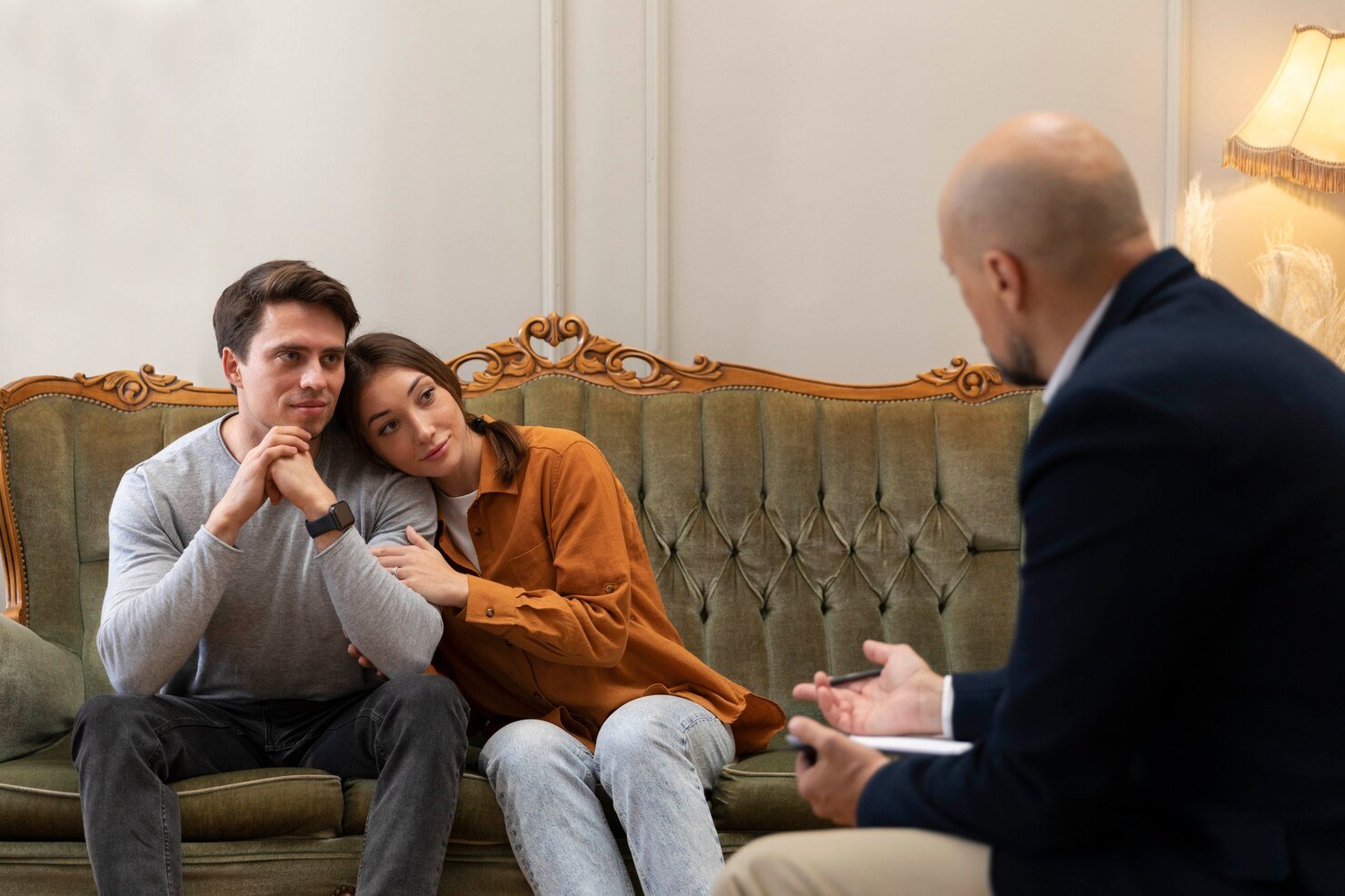
benefit from individual therapy to process trauma responses. Couples therapy can be helpful when both partners are committed to repair.
Embracing the Pain Before Moving Through It
Avoiding painful emotions may feel protective, but suppression often
prolongs healing. Anger and grief are natural responses to betrayal and need space to be acknowledged.
Healthy processing can include journaling, body-based practices, or gentle movement that helps release stored tension. Numbness can be a sign that your system is overwhelmed and needs additional support.
Allowing yourself to feel does not mean staying stuck. It creates the
conditions for emotions to move and soften over time.
Rebuilding Trust After Cheating Takes Both Partners
Trust rebuilding is not the responsibility of the betrayed partner alone.
Accountability from the unfaithful spouse is essential.
This often includes transparency around communication, schedules, and digital devices. Transparency is meant to restore safety, not create
control. Monitoring becomes problematic when it replaces mutual
accountability and open dialogue.
The betrayed partner also works on rebuilding trust in their own
perceptions and boundaries. Learning to listen to internal signals without self-doubt is a key part of recovery.
Practical Steps to Forgive a Cheating Husband or Wife
Forgiving infidelity is not linear, but practical steps can support forward
movement.
The first step is allowing yourself to feel without judgment. Emotional
responses do not follow a schedule.
The second step is communicating your needs clearly. This includes what you require to feel safe, what questions need answers, and what pace feels manageable.
The third step is establishing non-negotiable boundaries. Boundaries are not punishments. They define what is required for continued
engagement.
The fourth step is requesting full disclosure. Partial truths often prolong
trauma and undermine healing.
The fifth step is engaging professional support. Therapy can help contain emotions and guide difficult conversations.
The sixth step is practicing self-care as a requirement, not a luxury.
Sleep, nutrition, movement, and social support all influence emotional
regulation.
The final step is measuring progress rather than perfection. Healing
involves setbacks and moments of relief. Both are part of the process.
What Your Cheating Spouse Must Do for Reconciliation
Reconciliation requires consistent behavior change. This includes ending all contact with the affair partner and demonstrating radical honesty.
Responsibility must be taken without defensiveness or blame shifting.
Patience with your healing timeline is critical.
Change is shown through actions over time, not promises. Reliability
rebuilds safety gradually.
How Couples Retreat Therapy Supports Forgiveness After Affairs
For some couples, weekly therapy feels too slow or fragmented to address betrayal trauma. Intensive couples retreat formats offer a different approach.
Immersive therapy removes daily stressors and triggers that interfere with emotional processing. Extended sessions allow deeper exploration without constant interruption.
In a structured retreat setting, couples engage in guided conversations,
emotional regulation work, and trust rebuilding exercises within a contained environment.
Some couples find that stepping away from their usual routines helps them access emotions and clarity that felt unreachable before. Retreat therapy
can support couples who are ready for focused, concentrated work on
forgiveness and repair.
How Couples Retreat Therapy Supports Forgiveness After Affairs
For some couples, weekly therapy feels too slow or fragmented to address betrayal trauma. Intensive couples retreat formats offer a different
approach.
Immersive therapy removes daily stressors and triggers that interfere with
emotional processing. Extended sessions allow deeper exploration without
constant interruption.
In a structured retreat setting, couples engage in guided conversations,
emotional regulation work, and trust rebuilding exercises within a contained
environment.
Some couples find that stepping away from their usual routines helps them
access emotions and clarity that felt unreachable before. Retreat therapy
can support couples who are ready for focused, concentrated work on
forgiveness and repair.
When Forgiveness Doesn’t Mean Staying Together
Forgiveness does not obligate you to remain in the relationship. For some
people, forgiving from a distance supports emotional freedom without ongoing
exposure to harm.
Signs reconciliation may not be healthy include continued deception,
emotional abuse, or repeated infidelity without accountability.
Choosing separation can be an act of self-respect rather than failure.
Protecting your mental health is a valid priority.
You deserve peace regardless of the outcome.
Couples Retreat Therapy Support
For some couples, healing after infidelity requires more than occasional
conversations or short weekly sessions. When emotions are intense and trust
feels shattered, progress can stall without enough time, structure, and
professional containment.
Couples Retreat offers private, intensive couples therapy retreats designed
to support partners navigating betrayal, disconnection, and major
relationship ruptures. Retreat-based therapy allows couples to step away
from daily stressors and triggers, creating space to focus fully on
communication repair, emotional processing, and rebuilding trust after
cheating.
During an immersive retreat, couples work closely with a therapist to slow
down reactive cycles, address the impact of infidelity, and develop clearer
boundaries and expectations moving forward. The extended format can be
especially helpful when forgiveness feels stuck, conversations escalate
quickly, or both partners want focused support to determine whether
reconciliation is possible.
For couples considering a deeper level of therapeutic guidance,
retreat-based counseling can provide a structured environment to engage in
meaningful work without the fragmentation that often accompanies weekly
therapy.
Conclusion
Learning how to forgive a cheating spouse is one of the most challenging
emotional processes a person can face. Forgiving infidelity is not about
forgetting, excusing harm, or forcing reconciliation. It is about
understanding your own needs, restoring a sense of safety, and choosing a
path that supports your long-term emotional health.
Healing after infidelity takes time, patience, and often professional
support. Whether forgiveness leads to rebuilding trust after cheating,
redefining the relationship, or finding peace through separation, the
process deserves care and respect.
You are allowed to move at your own pace, set boundaries that protect you,
and seek the level of support that feels right. Forgiveness is not a single
decision. It is a personal journey toward clarity, stability, and
self-respect.
FAQ
How long does it take to forgive a cheating spouse?
Forgiving a cheating spouse rarely follows a fixed timeline. Clinical
experience and research on healing after infidelity suggest emotional
recovery often unfolds over two to five years. Early stages involve shock
and stabilization, followed by grief, anger, and meaning-making. Progress
depends on the level of betrayal, the unfaithful partner’s accountability,
transparency, and patience, and the quality of therapeutic support. Signs of
forgiveness are developing include fewer intrusive thoughts, improved
emotional regulation, clearer boundaries, and greater self-trust.
Forgiveness does not mean pain disappears. It means the pain no longer
controls daily functioning or decision-making over time with consistent
support.
Should I forgive my spouse if they cheated more than once?
Repeated infidelity requires careful consideration. Forgiving a spouse who
cheated more than once depends on whether the behavior reflects unresolved
issues or a sustained pattern of deception. Genuine change involves
accountability, transparency, and demonstrated effort over time, not
promises or apologies alone. Important questions include whether boundaries
are respected, outside contact has fully ended, and professional support is
being used. Repeated betrayal can signal incompatibility or emotional
unsafety. Forgiveness is still possible, but reconciliation may not be
advisable if behavior continues. Your well-being and sense of safety should
guide any decision without pressure, guilt, fear, or external expectations
from others.
Can a marriage survive infidelity and be stronger?
Some marriages do survive infidelity and experience a deeper connection,
but this outcome is not guaranteed. Research on affair recovery shows
improvement is most likely when the unfaithful partner takes full
responsibility, ends outside involvement, and tolerates the betrayed
partner’s emotional process. Couples who address underlying communication
patterns, emotional disconnection, or unmet needs often report increased
intimacy. However, growth comes from intentional repair, not the affair
itself. Infidelity is a crisis, not a gift. Stronger relationships emerge
only through sustained therapeutic work, honesty, and mutual commitment over
time, supported by clear boundaries, realistic expectations, and ongoing
professional guidance when needed most.
What is the difference between forgiving and reconciling?
Forgiving and reconciling are related but separate processes. Forgiveness
is an internal shift that reduces resentment and the desire for retaliation.
It focuses on your emotional freedom rather than your partner’s behavior.
Reconciliation is a relational process that requires mutual effort,
accountability, and rebuilding trust after cheating. It involves behavioral
change, transparency, and consistent repair over time. You can forgive
without staying in the relationship, and you can attempt reconciliation
before full forgiveness develops. Confusing the two often creates pressure
and emotional harm during recovery, especially when expectations are unclear
or externally imposed by others during vulnerable healing periods
afterward.
How do I stop intrusive thoughts about my spouse’s affair?
Intrusive thoughts after infidelity are a common trauma response, not a
personal failure. The brain replays information to regain a sense of safety
and predict future harm. Techniques such as grounding exercises, controlled
breathing, and redirecting attention can reduce intensity in the moment.
Trauma-informed therapies may help process stored memories and emotional
triggers. Improving sleep, reducing substance use, and limiting rumination
are also important. Seek professional support if thoughts become
overwhelming, interfere with daily functioning, or escalate into panic,
depression, or emotional shutdown, especially when self-coping strategies no
longer provide relief or stability during long term recovery phases.