
SADAF AHSAN
SPECIAL TO THE GLOBE AND MAIL
PUBLISHED SEPTEMBER 23, 2023
In some therapy sessions, psychotherapist Anita Owusu will joke with her clients, “You’re cheating on me with TikTok!”
She’s referring to a certain kind of discourse that’s on the rise – call it “therapy speak” or “psychobabble” – which, one could say, has made social media the new psychological WebMD.
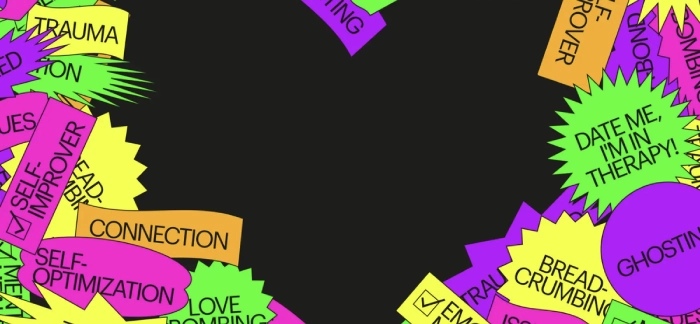
Scroll through Twitter or TikTok, and you’re likely to see folks referring to their work relationships as “trauma bonds,” discussing “holding space” in their friendships or describing “gaslighting” at the hands of their significant other.
“We are currently living in an era where pop-psychology has dominated our digital world,” explains the Toronto-based Owusu. “We are drowning in information and therapy speak is a by-product of that.” The result? We’ve become quick to label and diagnose using these terms, rather than meaningfully working through our issues.
This all came into sharp focus this summer when actor Jonah Hill’s ex-girlfriend Sarah Brady published a series of texts allegedly sent between the two while they were still together, accusing him of emotional abuse.
In them, Hill made a list of egregious demands to Brady (i.e. despite being a surfer, he demanded she not surf with men, or post photos online of herself in a swimsuit; the list goes alarmingly on), and framed them as “boundaries” he felt deserved to be respected. But, of course, a boundary is only something we can place on ourselves.
Hill – who, as it happens, explored the patient-therapist dynamic with his own psychiatrist in the 2022 documentary Stutz – was weaponizing this language. That habit has spread from popular culture into social media and across our own dinner tables and group chats.
Rather than starting a conversation with something along the lines of, “when this happened it really hurt me, I’d like to talk this through,” we’ve taken to saying something more like: “You are gaslighting me, therefore you must be a narcissist. I have to set a boundary because this type of interaction is too traumatic for me.”
In other words, we should be discussing how we feel emotionally affected, but instead we’re focusing on what we think is wrong with the other person in the relationship. Andrew Sofin, a Westmount, Que.-based psychotherapist, explains, “When you use these clinical terms, it shouldn’t be about you. We help people navigate their lives and really only use those terms as reference points.” Crucial reminder: Most of us are not educated to deliver such diagnoses.
Therapy speak can be valuable, says Toronto-based psychotherapist Jean Tsai, because it can help us “better understand our own experiences, speak about relationship dynamics we may not have words for or communicate an experience to others – provided that there is a shared understanding of the terms used.” It becomes harmful when a term is used out of context and outside a relationship of trust like the one you might have with your therapist, when it’s used to diagnose without expertise, or when it’s oversimplified. For example, a phrase such as “trauma dumping” or a label like “narcissist” holds a lot of weight and meaning beyond a casual judgment.
It also hinders our ability to communicate authentically and truly connect with others, adds Owusu, who notes that you’ll know it’s become a problem when you keep hearing the same words over and over again – not because we all have the same issues, but because we’re all consuming the same pop culture and social-media content. While she feels it’s great that many therapists have taken to sharing their knowledge on social media for those who can’t easily access therapy, Owusu also believes it’s “feeding the beast.”
So how can we better problem-solve in our relationships? Conflict and tension are inevitable, it’s about how we respond to it. Tsai has a few tips: Speak more simply and authentically. Take steps to calm the body and ground ourselves before we start communicating how we feel. Allow room for imperfection and learning.
In addition, never assume you know what’s going on with the other person, and avoid using statements of fact, says Sofin. Instead, ask questions and use “I” statements, such as, “Are you upset with me? Is there anything I’ve done, or is there something you’re dealing with?” Remember that you’re not a body-language expert either, and instead say, “Hey, you look a little sad. Can you tell me what’s happening?”
Ultimately, he adds that using therapy speak can be “an excuse to not own your own actions and behaviours. Maybe you struggle with some difficult emotions and you’re offloading it into psychobabble, thinking it will sort of lull the other person into being empathetic and compassionate. But it can destroy relationships.” Instead of letting ourselves off the hook by assigning labels we may not fully understand, it’s important to remember, he says, that in all couples relationships, “it takes two.” All of which is to say: own your part.
Overused terms that you should save for therapy speak:
Owusu, Sofin and Tsai see these words often misused among their clients.
- Trauma: This is a very serious experience, but people have come to use it to describe the slightest discomfort. One bad argument does not equate to trauma.
- Gaslighting: If someone disagrees with our perception of things, we decide they are suddenly gaslighting us, but this is a tool of psychological manipulation used over an extended period of time to harm.
- Narcissist: Yes, narcissists exist, but this is a personality disorder that is extremely difficult to diagnose. As Owusu is keen to remind, a few traits do not make someone a narcissist. In fact, she says, “If we take inventory of our own actions, we have all done things that would fall under some sort of diagnosis.”
- Borderline: This is a word Sofin sees used often toward women when, like many of the above terms, it’s far from a throwaway label and is used as a synonym for “crazy,” which itself is problematic.
- Inner-child: There is a growing tendency to put things on one’s inner child in lieu of taking responsibility for one’s own feelings, says Owusu. Sometimes, this can be a strategy to avoid being vulnerable.
- ADHD, anxiety, depression: Again, these are serious experiences, and the terms should not be used lightly. For instance, if you feel sad because you’ve had a rough day, that is not depression.