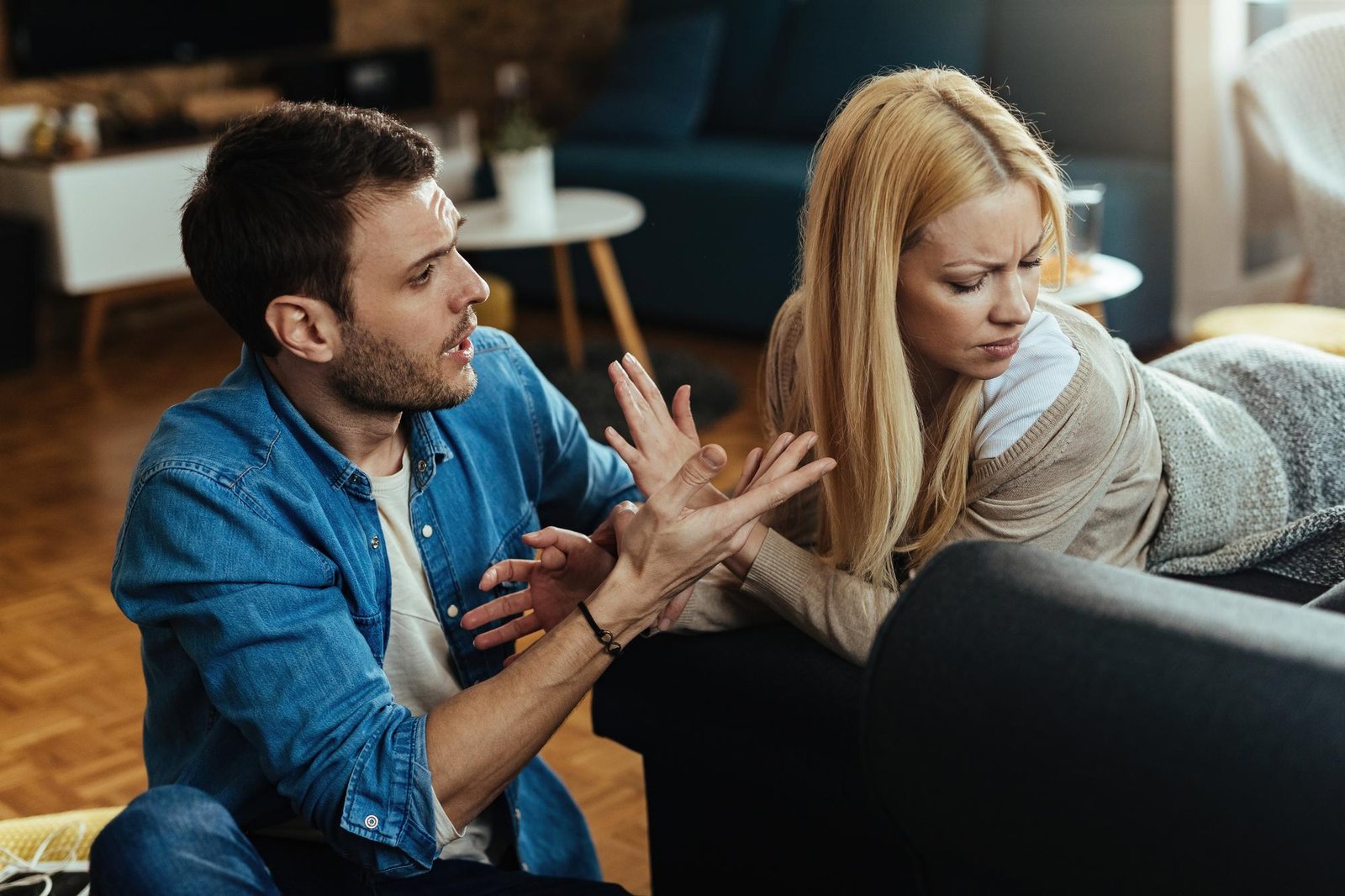
Infidelity can shatter a person’s sense of safety in ways that feel overwhelming and confusing. Many betrayed partners find themselves reacting intensely to reminders of the affair, experiencing symptoms that closely resemble trauma responses. These infidelity PTSD triggers can show up unexpectedly, leaving couples unsure how to cope or move forward together. This guide is designed for couples who want to understand why these reactions occur and learn practical ways of managing PTSD after infidelity while beginning a more intentional healing process as a team.
What Is Infidelity PTSD and Why Does It Happen?
Infidelity PTSD is a commonly used clinical term to describe trauma responses that develop after discovering a partner’s affair. It is also referred to as post-infidelity stress disorder, or PISD, and is closely linked to betrayal trauma. While infidelity does not technically meet the DSM 5 Criterion A definition for PTSD, research and clinical observation show that the symptoms often mirror post traumatic stress disorder almost exactly.
Studies suggest that approximately 30 to 60 percent of betrayed partners experience PTSD level symptoms following infidelity. This happens because the brain processes betrayal as a profound threat to emotional and relational safety. When the person you depend on violates trust, the nervous system responds as if survival itself is at risk.
The brain’s threat detection system becomes highly activated. Instead of resolving naturally through grief alone, trauma responses can persist, especially when reminders of the betrayal remain present. This is one of the key distinctions between normal grief after infidelity and trauma responses that continue long after the initial discovery.
Recognizing the Symptoms: What Infidelity PTSD Looks Like
Betrayal trauma symptoms can feel frightening, especially when they seem disproportionate or uncontrollable. Recognizing these symptoms helps couples understand that what is happening is a trauma response, not a personal failure.
Common signs include intrusive thoughts after infidelity that replay details of the affair repeatedly. Emotional regulation often becomes unstable, leading to sudden mood shifts, anger, sadness, or panic. Many people develop hypervigilance, constantly scanning for signs of danger or deception.
Avoidant behaviors are also common. This may involve steering clear of certain places, conversations, or memories connected to the betrayal. Physical symptoms can emerge, including sleep disruption, appetite changes, headaches, and fatigue. Some individuals report emotional numbness or out-of-body experiences when triggered.
Intrusive Thoughts and Flashbacks
Intrusive thoughts often arrive without warning. Images, questions, or imagined scenarios about the affair can flood the mind and quickly spiral into intense emotional reactions. A single thought can trigger fear, shame, or despair, followed by distorted beliefs about self-worth or safety.
Both real memories and imagined details can cause flashbacks. The brain does not distinguish clearly between what happened and what might have happened, which is why imagined scenarios can feel just as real and distressing.
Hypervigilance and the Need to Scan for Danger
Hypervigilance keeps the nervous system locked in a fight or flight state. Many betrayed partners feel unable to relax or feel safe, even in neutral moments. This often leads to constant checking behaviors, such as monitoring phones, social media, or whereabouts.
While these behaviors are attempts to regain safety, they usually reinforce anxiety over time. The body remains activated, making rest and connection difficult.
Common Triggers That Reactivate Infidelity Trauma
Triggers are external or internal cues that reactivate trauma responses. Understanding common triggers helps couples anticipate and prepare for them rather than being blindsided.
Environmental triggers may include locations, restaurants, or songs associated with the affair. Digital triggers are especially powerful, such as phone notifications, social media posts, or changes in device behavior. Relational triggers can involve certain topics, tones of voice, or perceived withdrawal.
Calendar-based triggers are also common. Anniversaries of discovery, affair dates, or significant timeline markers can intensify symptoms. Sensory cues like specific smells, visual details, or repeated phrases can unexpectedly bring the trauma back online.
Social Media and Digital Triggers
Social media can surface reminders without warning. Images, memories, or algorithm-driven content may reconnect the betrayed partner to the affair partner or related events.
Many couples benefit from setting temporary boundaries around platforms or devices. This may include limiting exposure, increasing transparency, or agreeing on shared expectations around phone use during recovery.
Why Time Alone Does Not Heal Betrayal Trauma
There is a widespread belief that time heals all wounds. When it comes to betrayal trauma, time alone is often insufficient. Research on PTSD shows that without treatment, symptoms can last one to three years or longer.
Avoidance may reduce distress temporarily, but it allows trauma residue to remain unprocessed. Suppressing reactions does not resolve them. Instead, they often resurface more intensely later.
Active healing involves processing the trauma with support. When couples engage in intentional recovery work, symptoms often decrease more quickly and sustainably than with passive waiting.
How to Help Your Partner Through Infidelity PTSD Triggers (For the Unfaithful Partner)
The unfaithful partner plays a critical role in healing from infidelity PTSD. Recovery is not a solo journey for the betrayed partner. It requires active participation, accountability, and emotional presence from the person who caused the injury.
Many clinicians describe this role as becoming a warrior for the relationship. This means showing up consistently, even when it is uncomfortable. Genuine remorse must be expressed without defensiveness or justification.
When a trigger occurs, the goal is not to fix or argue but to support regulation and safety in the moment. Transparency is essential. Withholding information or offering partial truths often intensifies trauma responses and prolongs healing.
Over time, consistent support can reduce the frequency and intensity of triggers. The nervous system learns that repair and safety are possible.
What NOT to Do When Your Partner Is Triggered
Avoid becoming defensive or dismissive. Do not minimize the reaction or suggest that your partner should be over it by now. Never imply there is something wrong with them for having these responses.
Leaving them alone to get over it can reinforce abandonment fears. Presence and validation are far more regulating than withdrawal.
How Couples Retreats Support Healing from Infidelity Triggers
For some couples, weekly therapy sessions feel insufficient to address the depth of betrayal trauma. Daily life often remains filled with triggers that interrupt progress between sessions.
An intensive couples retreat offers a different structure. By stepping out of familiar environments, couples reduce constant exposure to reminders of the affair. Concentrated time together allows for deeper work without ongoing distractions.
In an immersive healing environment, couples work closely with affair recovery specialists who guide both partners through structured processes. Many couples report that this format helps them develop shared tools and language for managing triggers more effectively.
The focus is not on quick fixes, but on creating safety, understanding trauma responses, and practicing new ways of relating together.
Evidence-Based Treatments for Infidelity PTSD
Several evidence-based approaches are commonly used in healing from infidelity PTSD. Cognitive Behavioral Therapy focuses on identifying and restructuring negative thought patterns that fuel distress.
EMDR is often used to reprocess traumatic memories so they carry less emotional charge. Many individuals find that triggers become less intense after this type of work.
Couples therapy plays a vital role in rebuilding communication, trust, and emotional connection. Trauma-informed therapy prioritizes safety and pacing, which is essential for betrayal recovery.
In some cases, medication such as SSRIs may be considered for severe symptoms. This decision is typically made in consultation with a medical professional.
Daily Coping Strategies for Managing Triggers
There are practical techniques couples can use to manage triggers in daily life. Grounding exercises help interrupt the trauma response by bringing attention back to the present moment. Simple practices like naming physical sensations or focusing on breath can reduce intensity.
Deep breathing and body-based calming techniques support nervous system regulation. Creating a trigger management plan together helps couples respond more effectively when distress arises.
Some couples establish safe words or signals to communicate overwhelm without escalating conflict. Consistent self-care, including sleep, movement, and nutrition, also plays an important role in emotional regulation.
The Role of Environment in Trigger Reduction
Physical environments often become saturated with trauma reminders. Familiar spaces may hold memories connected to the affair, keeping the nervous system on alert.
Novel and calm surroundings can provide neurological relief. Temporary distance from locations associated with the betrayal may reduce trigger frequency and intensity.
After returning home, couples can intentionally create healing, supportive spaces by adjusting routines, environments, and shared rituals to support ongoing recovery.
Healing as a Couple: Building a New Relationship After Betrayal
Healing from infidelity is not about returning to the old relationship. That relationship ended with the betrayal. Recovery involves intentionally building something new together.
Couples who engage in co-healing often report deeper understanding and stronger bonds over time. Shared commitment, new rituals, and positive experiences help overwrite trauma memories.
Setting realistic expectations for the recovery timeline is important. Healing is not linear, but with consistent effort and support, many couples find that meaningful change is possible.
Couples Retreat Support for Healing After Infidelity
For some couples, managing infidelity PTSD triggers within everyday life can feel overwhelming. Familiar environments, ongoing responsibilities, and constant reminders of the betrayal may limit how deeply healing work can go. In these situations, a private couples retreat can provide a more focused setting for recovery.
Couples Retreat offers intensive, retreat-based therapy experiences designed for couples navigating betrayal trauma. These retreats allow couples to step away from daily stressors and work closely with an experienced couples therapist in a contained, supportive environment. The structure is intended to help both partners understand trauma responses, learn how to manage triggers together, and rebuild communication with professional guidance.
Rather than replacing ongoing care, an intensive retreat can serve as a concentrated starting point for healing. Many couples use this format to develop shared tools, clarify boundaries, and establish a more stable foundation before continuing their recovery at home.
Conclusion
Infidelity can leave lasting emotional and physical imprints that resemble trauma responses, especially when triggers remain unresolved. Understanding infidelity PTSD triggers, recognizing symptoms, and learning how to respond to them together can reduce confusion and help couples move forward with greater clarity.
Healing from betrayal is rarely quick or linear. With active support, intentional strategies, and professional guidance when needed, many couples are able to reduce trigger intensity and begin building a new relationship rooted in safety and shared commitment. The process requires patience, honesty, and sustained effort, but it does not have to be navigated alone.
FAQ
How long does PTSD from infidelity last?
PTSD like symptoms after infidelity vary widely. Milder reactions may begin easing within six months when couples actively address triggers and rebuild safety. Without structured support, significant symptoms often persist one to three years or longer because avoidance and hypervigilance reinforce the trauma response. Active healing shortens this timeline by helping the nervous system process what happened rather than repeatedly reliving it. Factors such as severity of the betrayal, honesty after disclosure, ongoing contact with the affair partner, prior trauma, and available support all influence duration. Progress is rarely linear, but consistent, guided effort typically reduces intensity over time gradually.
Can infidelity really cause PTSD?
Research and clinical observation show that infidelity can produce PTSD level symptoms for many betrayed partners. Studies suggest roughly thirty to sixty percent experience reactions similar to post traumatic stress. Although infidelity does not meet DSM 5 Criterion A, the brain still registers betrayal as a severe threat to emotional safety and attachment. This activates survival responses such as hypervigilance, intrusive thoughts, and avoidance. Because symptoms mirror PTSD so closely, clinicians often use the term post-infidelity stress disorder. The label validates the experience without requiring a formal diagnosis, emphasizing that the reactions are trauma-based, not personal weakness or pathology.
What are common triggers after an affair?
Triggers after an affair are cues that reactivate betrayal trauma. Common triggers include locations, dates, songs, or routines connected to the affair. Digital triggers are especially powerful, such as phone notifications, secretive device behavior, or social media content that references the affair partner. Relational triggers may involve certain topics, tones of voice, emotional withdrawal, or perceived defensiveness. Calendar triggers like discovery anniversaries often intensify symptoms. Sensory cues, including smells, phrases, or visual details, can also activate reactions unexpectedly. Identifying personal triggers helps couples anticipate them, reduce surprise, and develop shared plans for responding with support calmly and consistently over time.
How can the unfaithful partner help with PTSD symptoms?
The unfaithful partner can significantly influence recovery by taking an active, accountable role. Healing improves when they express genuine remorse without defensiveness, minimize secrecy, and provide full transparency. When triggers occur, staying present, listening, and validating the pain helps regulate the nervous system. Arguing facts or urging quick forgiveness usually intensifies distress. Consistent follow-through on boundaries and agreements builds predictability and safety. Many clinicians describe this stance as becoming a warrior for the relationship. Over time, reliable support and responsiveness can reduce trigger frequency and help rebuild trust through repeated, corrective experiences that accumulate slowly during a sustained recovery period.
Should we try couples therapy or individual therapy first?
Both individual and couples therapy play important roles after infidelity. Individual therapy helps the betrayed partner process trauma responses, manage intrusive thoughts, and stabilize emotional regulation. It can also support the unfaithful partner in understanding patterns and accountability. Couples therapy focuses on rebuilding communication, transparency, and trust together. Many clinicians recommend combining both approaches rather than choosing one. Intensive retreat formats can integrate individual processing with couples work in a concentrated setting, allowing partners to address triggers, learn shared tools, and establish structure simultaneously. The best starting point depends on symptom severity, safety, and each partner’s capacity to engage fully.