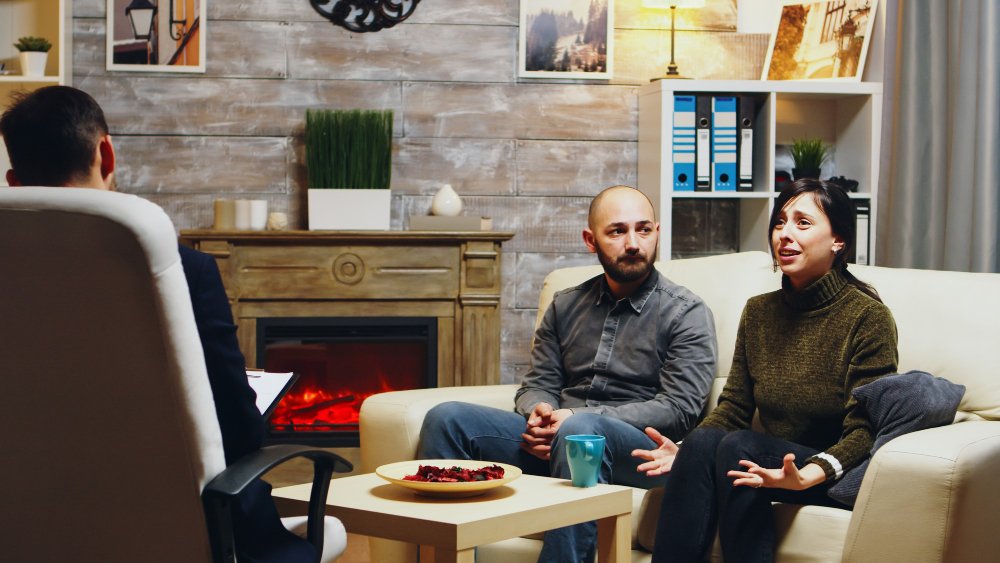

A couple’s intimacy retreat is often one of the first concepts people encounter when they begin searching for ways to reconnect in their relationship. Whether the search is driven by emotional distance, mismatched desire, or a sense that something has quietly shifted over time, the question is usually the same: what actually happens at a couple’s intimacy retreat, and is it different from a regular couples getaway or therapy?
This guide answers that question from a therapist’s perspective. It explains what a couple’s intimacy retreat is, how it works, who it is for, and how to evaluate whether this format fits your relationship and your goals.
What Is a couple’s intimacy Retreat — And How Is It Different From a Romantic Getaway?
A couple’s intimacy retreat is a structured, therapist-guided immersive experience designed to restore, deepen, or rebuild emotional connection and physical intimacy between partners. It is a form of relationship retreat or marriage retreat, but with a specific focus on intimacy in its fullest sense.
Intimacy in this context is not limited to physical closeness. It includes emotional availability, vulnerability, trust, and feeling known and understood by your partner. Physical intimacy may be part of the work, but it is not isolated from the emotional foundation that supports it.
The key distinction from a romantic getaway is structure and intention. A vacation may create space for connection, but it does not provide a guided process for understanding and changing relational patterns. A couple’s intimacy retreat is intentionally designed to do exactly that.
There is also a spectrum of formats. Some retreats are shorter private intensives, while others span a full week. What they share is immersion and a guided process that goes beyond conversation into active relational work.
The word retreat itself is meaningful. Stepping away from daily routines, responsibilities, and environments is not incidental. It is a deliberate clinical tool that allows couples to engage more fully and honestly than they often can at home.

The Different Types of Couples’ Intimacy Retreats
Not all couples’ intimacy retreats are the same. Understanding the different formats helps clarify what type of experience aligns with your situation.
Clinical or therapeutic retreats are led by licensed professionals such as LMFTs or psychologists. These retreats use evidence-based frameworks such as EFT, Gottman, or PACT and are structured to repair or deepen the relationship. They are appropriate for couples working through disconnection, trust issues, or long-standing patterns.
Wellness retreats take a different approach. They often incorporate mindfulness, yoga, breathwork, and meditation as tools for connection. While valuable, they are typically facilitator-led rather than clinically structured and may not directly address deeper relational patterns.
Luxury destination retreats combine clinical depth with a private, high-quality setting. These are often private intensives where a couple works one-on-one with a therapist in a secluded environment, allowing for both privacy and focus.
Choosing the right type depends on the presenting issue. Couples seeking repair after disconnection or conflict often benefit from clinical therapeutic retreats, while those looking for general reconnection may explore wellness-based formats.
What Actually Happens During a couple’s intimacy Retreat?
A common hesitation is not knowing what to expect. A well-structured couple’s intimacy retreat follows a clear process from preparation through completion.
Before arrival, there is typically an intake assessment. This gathers information about the relationship history, current challenges, and goals. It allows the therapist to design the retreat around the specific needs of the couple.
Day one usually focuses on establishing safety and understanding patterns. The therapist helps identify how communication breaks down, where disconnection occurs, and what underlying dynamics are present.
Sessions include guided conversations, structured communication exercises, and experiential intimacy practices. These are designed to help couples not only understand their patterns but experience new ways of relating in real time.
Mind-body elements may be included. Practices such as mindfulness, breathwork, or gentle movement are used to regulate emotional responses and support deeper engagement in the work.
There is also unstructured time. This allows couples to integrate what they are learning, reconnect without pressure, and experience each other outside of structured sessions.
Nothing is forced. Exercises are introduced based on readiness and comfort. The process is collaborative, not prescriptive.
The retreat typically concludes with a final session that consolidates insights and outlines next steps. Couples leave with a clearer understanding of their patterns and practical tools to continue the work.
Who Is a couple’s intimacy Retreat Actually For?
A couple’s intimacy retreat is not only for couples in crisis. In practice, it serves a range of relationship situations.
One common pattern is the long drift. These are couples who have not experienced a defining rupture but have gradually grown emotionally and physically distant.
Mismatched desire is another. When one partner seeks more intimacy than the other, the imbalance can lead to frustration and withdrawal if not addressed directly.
Couples recovering from infidelity often benefit from a structured environment where trust and intimacy can begin to be rebuilt safely.
Major life transitions such as parenthood, career shifts, or health changes can also disrupt intimacy. Retreats provide space to renegotiate connection within a new context.
There are also couples who are not in distress but want to intentionally invest in their relationship. Relationship maintenance is a valid and often overlooked use case.
High-achieving couples, in particular, tend to respond well to intensive formats. Removing themselves from daily demands allows them to engage in a way that weekly sessions may not support.
A retreat may not be suitable when one partner is strongly opposed or when ongoing, long-term clinical support is required for acute issues.
What We Observe During Couples Retreats — A Therapist’s Perspective on Intimacy Retreats
From a therapist’s perspective, the couples who seek out a couples’ intimacy retreat often share a similar experience. They have built a life together, sometimes successfully by external measures, but feel a growing distance within the relationship.
In the first session, patterns tend to emerge quickly. Communication loops, emotional withdrawal, or protective behaviors often signal deeper unmet needs rather than surface-level conflict.
The setting plays a meaningful role. A private, destination-based environment removes distractions and creates conditions for focused work. The absence of routine allows couples to shift out of habitual roles and engage more openly.
One of the earliest changes is often nonverbal. Body language softens, tone becomes less defensive, and physical proximity increases. These shifts can appear within the first day when the environment supports sustained attention.
A common misconception is that the retreat will focus only on surface-level reconnection. In practice, the work often moves toward underlying patterns that shape intimacy over time.
Couples leave not only with insight but with shared language and practiced tools. This creates a foundation for maintaining connection beyond the retreat itself.
How to Choose the Right couple’s intimacy Retreat — What to Look For and What to Avoid
Choosing a couple’s intimacy retreat requires understanding the differences in approach and quality.
Credentials matter. Licensed therapists, including LMFTs or registered psychotherapists, bring clinical training that supports deeper work. Certifications in approaches such as Gottman or EFT indicate structured, evidence-based methods.
It is also important to distinguish between clinical retreats and coaching-based programmes. Coaching may focus on communication or goal setting, while clinical work addresses underlying relational patterns.
Format is another consideration. Private retreats offer confidentiality and depth, ensuring the entire experience is tailored to one couple’s specific needs and goals.
Before booking, couples can ask about the therapist’s approach, caseload, and how challenges are handled during the retreat. Understanding what follow-up support is available is also important.
Red flags include vague descriptions of methodology, lack of therapist credentials, or promises of guaranteed outcomes.
The setting should support the work. Privacy and removal from daily life are not just preferences but factors that influence how deeply couples can engage.
What Happens After a Couple’s Intimacy Retreat — Maintaining the Gains
The work of a couple’s intimacy retreat does not end when the retreat concludes. Post-retreat integration is an essential part of maintaining progress.
The first two weeks after returning home are often the most important. Couples are re-entering familiar environments where old patterns can reappear. Being intentional during this period helps protect the gains made.
Daily practices play a role. Small, consistent behaviors, such as regular check-ins or intentional time together, support an ongoing connection. These are not rigid assignments but habits that reinforce the work.
Follow-up sessions are an important part of maintaining progress. These typically take place via Zoom and provide an opportunity to revisit challenges, refine skills, and maintain accountability as the relationship evolves.
Over time, couples who continue to apply what they learned often describe a shift in how they communicate and respond to each other. The retreat becomes a reference point for how the relationship can function when both partners are engaged.
Conclusion
A couple’s intimacy retreat is not simply a change of setting. It is a change in how the relationship is approached. For many couples, especially those who have felt stuck, disconnected, or unable to create meaningful change through weekly sessions alone, the immersive format provides something different. It creates the time, space, and structure needed to understand patterns more clearly and begin shifting them in real time.
What often becomes clear through this process is that intimacy is not a single issue to solve, but a dynamic that evolves with attention, intention, and shared effort. A retreat offers a starting point, a concentrated period where couples can reconnect, rebuild, or deepen their bond with guidance and focus. What happens after depends on how that experience is carried forward into daily life.
For couples considering this path, the question is not only what a couple’s intimacy retreat is, but whether the relationship would benefit from stepping outside its current environment to work on what matters most within it.
Frequently Asked Questions
What is the difference between a couple’s intimacy retreat and a couple’s therapy retreat?
A couples therapy retreat is a broader category focused on relationship repair, communication, and clinical intervention across a range of issues. A couple’s intimacy retreat is a type of therapy retreat that primarily focuses on emotional and physical intimacy. In practice, there is significant overlap. Many intimacy retreats are clinically structured and address communication and trust as part of the process. The distinction lies in the focus of presentation. Intimacy retreats center on connection, desire, and vulnerability, while therapy retreats may address a wider range of relational challenges.
What happens during a couple’s intimacy retreat?
A couple’s intimacy retreat typically begins with a detailed intake assessment to understand the couple’s history, patterns, and goals. During the retreat, partners engage in structured therapy sessions, communication exercises, and experiential intimacy practices guided by a licensed therapist. Mind-body elements such as mindfulness or breathwork may also be included to support emotional regulation. There is time for unstructured reconnection, allowing couples to apply what they are learning. The retreat concludes with a final session that consolidates insights and provides a plan for continuing the work.
Is a couple’s intimacy retreat just about sex?
No. Intimacy in a clinical context includes emotional connection, vulnerability, trust, and shared meaning, in addition to physical closeness. While sexual intimacy may be part of the broader conversation, it is not the sole focus. Many couples find that emotional reconnection is the foundation for physical intimacy. As emotional safety increases, physical connection often follows naturally. A couple’s intimacy retreat addresses the full spectrum of intimacy rather than isolating one aspect of the relationship.
How long is a couple’s intimacy retreat?
Most private couples’ intimacy retreats are structured over five days, combining morning couples therapy sessions with individual afternoon therapy. The exact structure and length are tailored to each couple’s needs and goals, so shorter formats may be available as follow-up support, while couples with more complex dynamics may benefit from a longer experience. The intensive format allows couples to engage deeply within a condensed timeframe, often achieving progress that might take months in a weekly setting.
How do I know if a couple’s intimacy retreat is right for us?
A couple’s intimacy retreat may be a good fit if you are experiencing ongoing disconnection, mismatched desire, or difficulty maintaining intimacy despite wanting to improve the relationship. It is also appropriate for couples who find weekly therapy insufficient or impractical due to scheduling demands. Retreats are not limited to crisis situations. They can be a proactive way to strengthen connections. However, if one partner is strongly opposed or if there are acute concerns requiring ongoing clinical care, a different format may be more appropriate. A consultation with a therapist can help clarify fit.