
If you’re curious about a marriage weekend retreat, you’re likely weighing whether this format fits your relationship. Couples Retreat, led by Andrew Sofin, offers a private intensive experience that differs from traditional weekly therapy. This article walks you through what actually happens during a retreat, how the days are structured, and what couples take home after the work is complete.
How a Marriage Weekend Retreat Differs from Weekly Therapy
Weekly therapy sessions typically run 50 minutes. Life interrupts between appointments. Emotional gains made in one session can dissipate before the next. A marriage weekend retreat compresses months of work into a contained time window, allowing 3 to 5 hours of focused clinical work each day. There are no homework gaps, no week-long processing delays. Learning and applying happen in the same environment. The intensity is not about emotional difficulty. It is about concentration of attention, keeping all clinical work within a single, uninterrupted experience.
The Format of a Private One-Couple Retreat
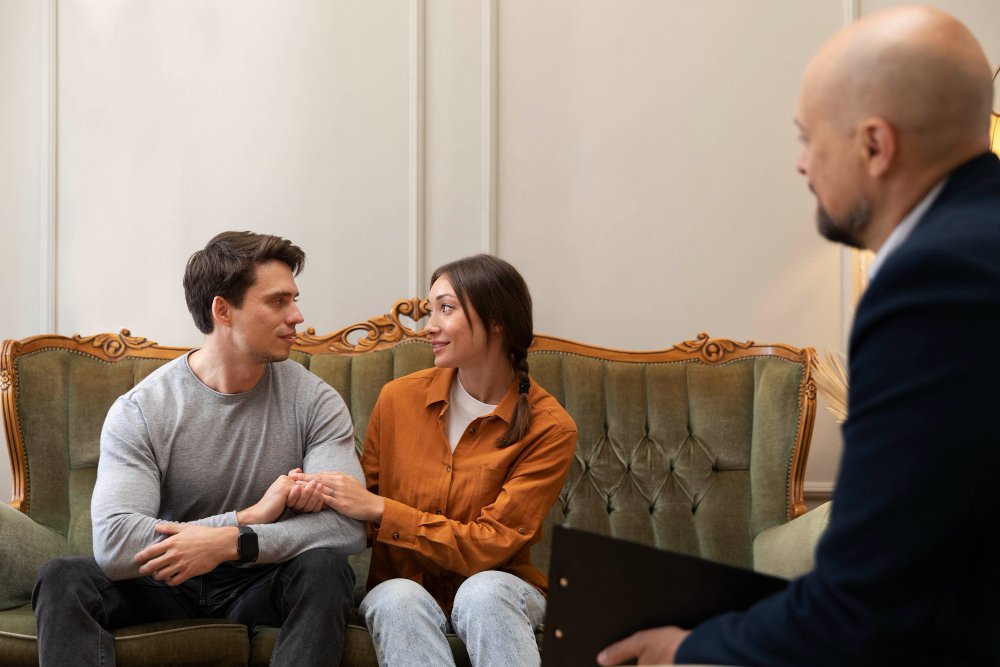
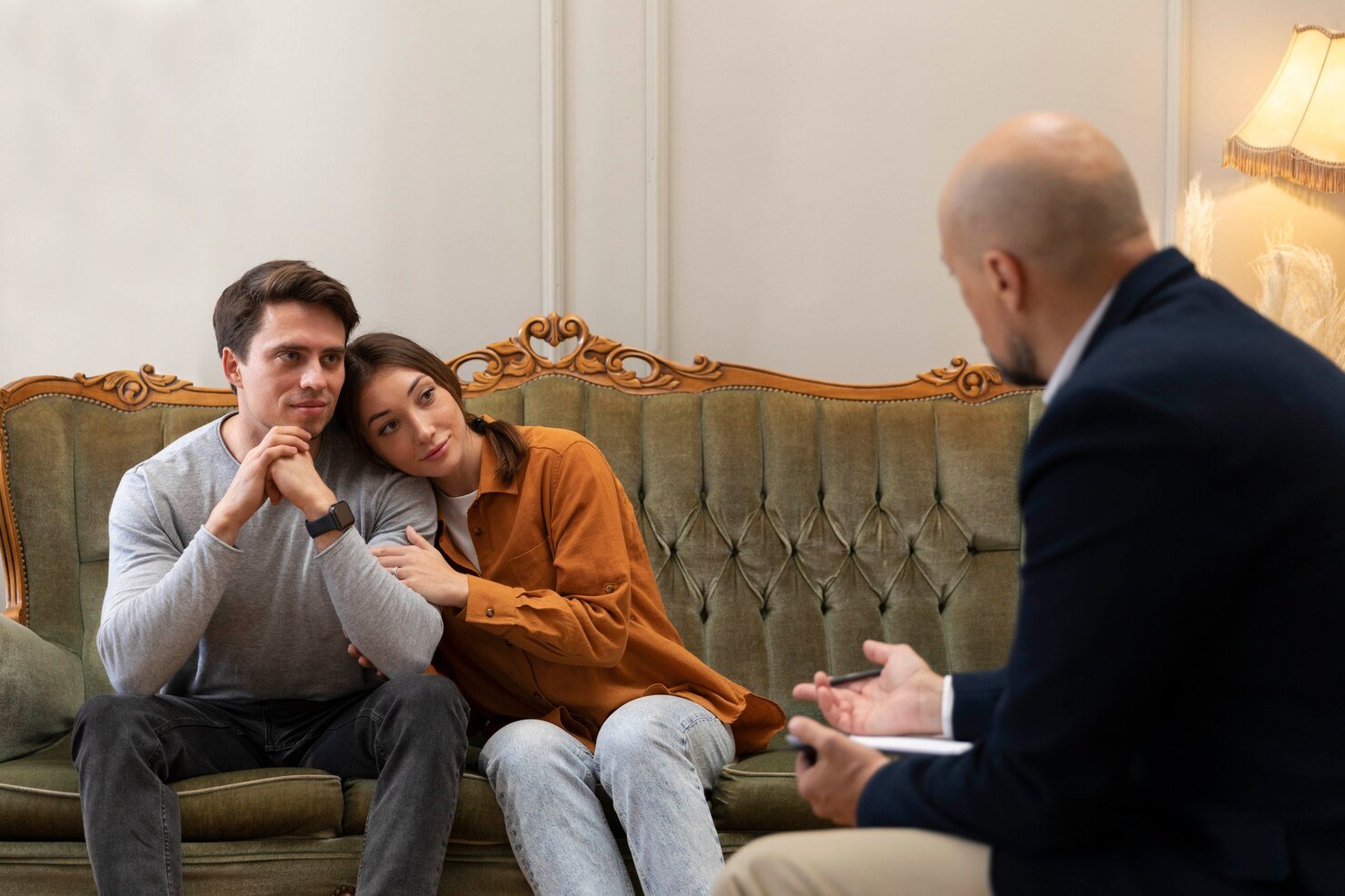
Group retreats combine educational content with limited personalization. The structure is designed for the average couple, not your specific situation. Private formats mean all clinical attention is directed to one couple and their actual dynamics. Sensitive topics such as affair recovery, unresolved grief, or deep disconnection can be addressed honestly without concern for what others in the room think. This distinction matters most to the reluctant partner who fears public exposure. In a private retreat, there is no audience, no group discussion, and no pressure to disclose in front of strangers.
What Happens Before the Retreat Begins
Many couples arrive not knowing what to do before the retreat. A pre-retreat clinical intake allows the clinician to understand the couple’s history before day one, rather than spending retreat time on background. Couples can reflect on what they most want to address, not to prepare a speech, but to arrive with some clarity about their priorities. What to leave behind: the urge to rehearse arguments, to build a case, or to prove a point. The most useful preparation is arriving with a genuine willingness to listen and to engage honestly.
The Daily Structure During the Retreat
Sessions are multi-hour blocks, not 50-minute slices. There is time to go deep without watching the clock. Each session builds on the previous one rather than starting from scratch. Structured exercises during non-session time, such as guided reflection or private exercises for the couple, extend the clinical work without clinical pressure. Evenings allow for natural processing: quiet time, rest, and unstructured connection without an agenda. The day is clinically structured with clear focus areas. Morning sessions address where the couple is, and afternoon sessions work on communication and understanding.
Communication Work at the Center of the Retreat
Most couples have tried talking. The problem is not willingness but the absence of structure when emotions run high. A clinical setting provides the structure: each partner speaks, is reflected back accurately, and feels heard before any response is given. This is different from mediation and different from debate. It is learning a new conversational format together. Structured communication tools used in clinical retreat settings reduce reactivity by creating a format that slows the conversation down. Neither partner can interrupt or respond before the other has finished.
Understanding What Has Actually Been Happening in the Relationship

Conflict tends to repeat because the same triggers produce the same reactions. Without understanding the trigger, behavior change is temporary. Retreat work creates the time and safety for both partners to understand what is actually driving the conflict cycle, not just the surface argument. Partners often shift from viewing each other as adversaries to viewing the pattern itself as the problem to be addressed together. Understanding behavioral patterns from an outside, clinically informed perspective changes how partners interpret each other’s reactions.
Who Benefits Most from a Marriage Weekend Retreat
The format is not reserved for marriages in acute crisis. Many couples attend because they are living like roommates rather than partners and want to change that before it becomes a crisis. Communication breakdown, affair recovery, major life transitions, and long-term disconnection are all situations where concentrated retreat work outperforms weekly sessions. Marriage enrichment retreat language captures couples who are not in crisis but want to invest meaningfully in the relationship. The intensive format is clinically appropriate across this range.
How Couples Retreat and Andrew Sofin Approach the Marriage Weekend Retreat Experience
Andrew Sofin, MA, RP, TCF, RMFT, is a member of the Canadian Association for Couple and Family Therapy (CACFT) with more than 25 years of clinical experience. He works with one couple at a time. The one-couple format means full clinical attention is on the couple present, not divided across a group. Consecutive days mean sessions build directly on each other, with no week between sessions and no loss of momentum. Pre-arrival intake means the retreat begins before the couple arrives. Aftercare planning is part of the structure, designed with what happens after in mind.
The Role of Setting in Retreat Work
Home environments are saturated with cues associated with past conflicts: the kitchen, the bedroom, the couch where the last argument happened. A new, neutral, private setting removes those cues and lowers the baseline reactivity both partners bring to sessions. Context-dependency in behavioral psychology means people think and communicate differently in environments not associated with past conflict. A new physical environment supports new relational behavior. This is not about luxury or escape. It is about creating a context where new communication is actually possible.
What Happens After the Retreat Ends
A retreat produces a change in understanding and skill. Neither holds without intentional reinforcement after returning home. The same home environment that accumulated the old patterns will exert pressure on new behaviors. Tools and agreements made during the retreat need to be practiced, not just remembered. Aftercare planning during the retreat, rather than as an afterthought, prepares the couple for the transition back to daily life. Clinical research on intensive formats consistently identifies the post-retreat period as the determining factor in whether gains hold.
Common Concerns About Attending a Marriage Weekend Retreat
One partner reluctant? The structured private format reduces resistance because there is no group exposure and no pressure to perform. Only for religious couples? The retreat is clinically led, not faith-based. The work is grounded in clinical training and experience. Too late for us? This concern is common and rarely accurate. The couples who make the most progress are often those who arrive most uncertain. Will we have to share with strangers? In a private one-couple retreat, there are no strangers in the room.
What a Marriage Weekend Retreat Actually Gives You
A marriage weekend retreat is not a promise of a fixed outcome. It is a structured, intensive investment of concentrated time and clinical attention. What most couples take home is a clearer picture of what has been happening in the relationship, a set of practiced communication tools, and a shared sense of what comes next. The format (consecutive days, private, one clinician, one couple) determines whether the work reaches the depth that produces actual change. To discuss whether this format fits your situation, contact Couples Retreat directly.

Frequently Asked Questions
What actually happens during a marriage weekend retreat?
A marriage weekend retreat includes multi-hour clinical sessions each day, guided exercises between sessions, and private couple time built into the structure. Sessions are consecutive and build on each other, unlike weekly therapy where continuity is interrupted. Each day has a focus: establishing where the couple is, working on communication and understanding, building a plan forward. The experience is structured, not open-ended. Couples are guided through a process rather than asked to figure out what to talk about.
Is a marriage weekend retreat only for couples in crisis?
A marriage enrichment retreat addresses the full range: crisis, significant disconnection, gradual drifting apart, and couples who want to invest in a healthy relationship proactively. The intensive format is effective across this range because it compresses focused work regardless of severity. Many couples who attend are not in crisis. They are simply ready to give the relationship sustained, uninterrupted attention. The format is not reserved for acute situations. It is equally appropriate for couples seeking to strengthen what is already working.
How is a private one-couple retreat different from a group retreat?
Group retreats divide clinical attention and limit how personal the work can get. Topics stay at a level appropriate for multiple couples in the room. A private retreat means the clinician works exclusively with one couple: no group discussion, no sharing with strangers. Sensitive topics can be addressed honestly because there is no audience. The pace, depth, and focus are entirely determined by what this particular couple needs. In a couples retreat weekend structured as a private intensive, confidentiality is absolute and clinical attention is undivided.
What should a couple do to prepare before attending a marriage weekend retreat?
The most useful preparation is not building a case or preparing arguments. It is arriving with a genuine willingness to listen. If a pre-retreat intake is part of the program, complete it honestly. This allows the clinician to begin understanding the relationship before the first session. Couples benefit from lowering expectations about what a weekend can definitively solve and raising expectations about what it can meaningfully start. Practical steps: arrange childcare, remove work obligations, arrive as rested as possible.
What happens after the retreat ends?
The retreat produces a shift in understanding and a set of practiced tools. Neither holds without intentional use after returning home. The home environment will exert pressure on new behaviors. Anticipating this is part of what aftercare planning addresses. Couples who maintain the communication practices developed during weekend marriage retreats show the most durable progress. Ask any provider how they support couples in the weeks after the retreat ends. This is a clinically meaningful question. The retreat is the beginning of change, not the conclusion of it.