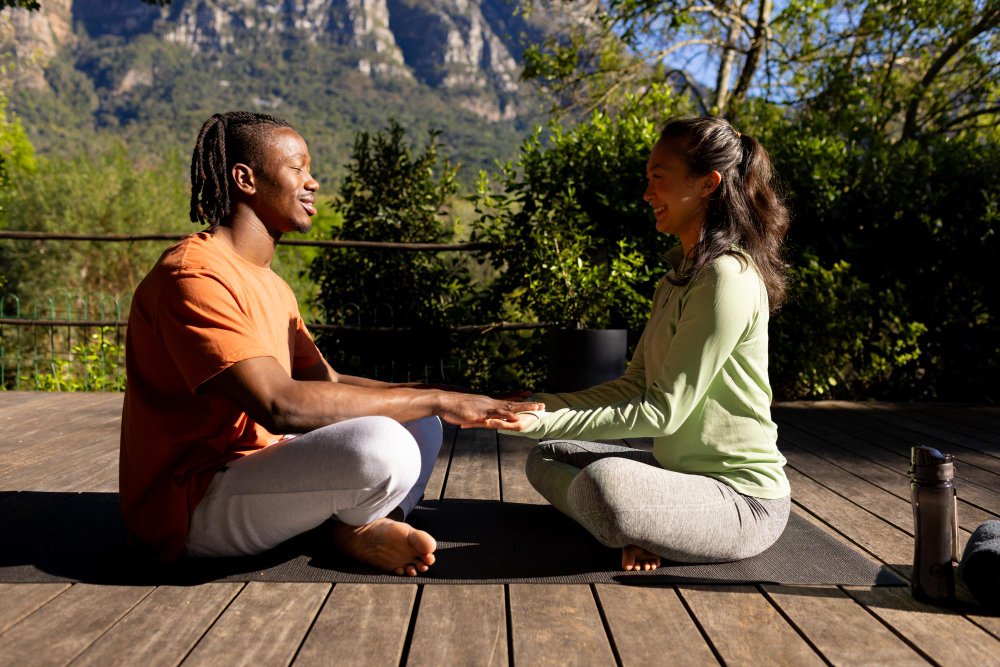

If you’ve been searching for a marriage weekend retreat, you’ve likely encountered terms like “intensive,” “couples therapy weekend,” and “retreat” used in ways that make it hard to know what you’re actually looking at. The distinction matters. Couples Retreat exists to help couples understand the structural differences between these formats so you can choose what genuinely fits your relationship’s needs.
What Is a Weekend Marriage Retreat?
A weekend marriage retreat compresses extended therapeutic work into consecutive full days with a single clinician. The physical and temporal separation from daily life is deliberate. The consecutive-day format prevents the weekly reset that happens in traditional therapy, where progress fades between sessions. Private retreats involve one couple with one clinician, not a group seminar. Andrew Sofin, with more than 25 years of clinical experience, frames a genuine retreat as sustained, uninterrupted relational work that builds emotional momentum across days.
What Is Weekend Couples Therapy?
Weekend couples therapy typically refers to condensed weekly-format sessions clustered into a single weekend block. Some providers run group-based weekend workshops branded as therapy. The key variable is clinical contact hours and individual attention. A therapy weekend may offer scheduled 50-minute sessions spread across Saturday and Sunday, while a retreat offers six to eight hours of continuous clinical work per day. Both are legitimate formats, but they serve different relational needs.
How the Formats Actually Differ
The retreat format delivers consecutive full days with the same clinician. A therapy weekend typically offers scheduled sessions, often shorter, spread across two days. The continuity of the retreat format allows deeper progress. There is no artificial reset between sessions. The emotional momentum of day one carries directly into day two. A real-world comparison: a two-day private retreat may include 12 to 16 hours of clinical contact, while a therapy weekend may offer four to six hours across both days.
Why the Terminology Gets Confusing
The terms “retreat,” “intensive,” and “couples therapy weekend” are used interchangeably by different providers. Some use “retreat” for group experiences and “intensive” for private ones. Others reverse this. What matters is not the label but the structure: who attends, how many hours of clinical work are included, whether the experience is private, and what clinical model governs the sessions. Couples should ask providers directly about format specifics rather than assume clarity from the name alone.
When a Marriage Weekend Retreat Is the Better Choice
A marriage weekend retreat is often the better choice for couples who have tried weekly therapy without meaningful progress. It suits relationships where conflict re-escalates between sessions, or where one or both partners feel there is not enough time in a 50-minute session to address what is actually happening. Couples who need containment and full-attention clinical work benefit from the consecutive-day format. The retreat format is structurally different in ways that matter for presentations involving trust damage or escalating conflict.
When Weekend Couples Therapy May Be Enough

Couples with moderate challenges and no acute crisis may progress well in a structured weekly format. If both partners are engaged and emotionally safe with each other, skill-building formats can be sufficient. The right format is the one that matches the relationship’s actual level of distress. Couples should resist choosing a format based on availability or cost alone. Weekly therapy allows gradual integration of new skills into daily life.
The Role of Pre-Arrival Preparation in a Retreat
A well-designed retreat begins before arrival. Clinical intake gathers relationship history, each partner’s perspective, and specific goals. This preparation allows the clinician to work immediately rather than spending the first day on assessment. Weekly therapy typically uses the first several sessions for assessment. In contrast, a retreat with pre-arrival intake can begin relational work on day one. The quality of preparation directly affects the depth of work possible during the retreat itself.
How Couples Retreat Approaches the Weekend Marriage Retreat Format
Couples Retreat is led exclusively by Andrew Sofin, MA, RP, TCF, RMFT. The retreat is designed for one couple at a time. There is no shared clinical attention. The consecutive-day format is intentional. Pre-arrival clinical intake precedes every retreat. Aftercare planning is built into the process. Andrew Sofin is a visiting professor at the University of Guelph and president of the Canadian Association for Couple and Family Therapy (CACFT). His credentials position this as clinician-led work, not a workshop.
What to Ask Before Booking Any Marriage Weekend Retreat
Before booking, ask whether the retreat is private or group-based. Ask how many hours of clinical contact per day are included. Ask about the clinician’s credentials and licensing. Ask whether there is a pre-arrival intake or assessment process. Ask what happens after the retreat. Is aftercare or follow-up included? These questions distinguish genuinely clinical retreats from wellness experiences that use therapeutic language without clinical structure. Format transparency before booking is a meaningful indicator of quality.
What the Weekend Marriage Retreat Experience Actually Looks Like
A marriage weekend retreat involves consecutive full days of focused relational work. The pace is guided by the clinician. Couples are not left to fill unstructured time. The setting is private and purposefully removed from everyday distraction. Emotional intensity is expected and supported. The transition home is addressed. Couples leave with a clear sense of what comes next rather than feeling abandoned at the end of the experience.
After the Retreat: What Comes Next
A well-structured retreat includes planning for what comes after. The gains made in consecutive intensive days need to be integrated into daily relational life. Some couples benefit from follow-up sessions. Others benefit from specific practices given at the retreat’s close. The post-retreat period is where many of the retreat’s benefits are either consolidated or lost. Couples should ask about aftercare before booking any retreat. The quality of the transition home is as meaningful as the quality of the retreat itself.
Conclusion
A marriage weekend retreat and weekend couples therapy are not interchangeable. The format determines the depth and continuity of work. Couples who need more than skill-building benefit from the consecutive-day, private, clinician-led structure a retreat provides. Choosing the right format means matching the level of support to the relationship’s actual needs. For couples considering a retreat, the quality of what happens before, during, and after matters as much as the label.

Frequently Asked Questions
What is the difference between a marriage retreat and a marriage intensive?
The terms are used interchangeably by many providers, but not all. What matters is whether the experience is private, clinician-led, and structured for consecutive-day work. Some providers use “retreat” for group experiences and “intensive” for private ones. Others reverse this. Couples should ask about format specifics rather than relying on naming. The depth of the work is determined by structure, not by which label a provider uses.
How many hours a day is a typical marriage weekend retreat?
Private retreats typically run six to eight hours of clinical work per day across consecutive days. Group-based retreats vary significantly. The number of clinical contact hours per day is one of the most meaningful questions a couple can ask before booking. A two-day private retreat with six to eight hours of daily clinical work compresses months of weekly progress into a single weekend.
Is a weekend marriage retreat the same as couples therapy?
They are related but not identical. Both involve a licensed clinician working with a couple, but the structure, pacing, and duration differ significantly. Weekly couples therapy builds skills gradually over months. A retreat concentrates that work into consecutive days with no gap between sessions. The retreat format is often described as equivalent to three to six months of weekly therapy in terms of clinical contact hours.
Can a weekend marriage retreat help if we’ve already tried couples therapy?
Many couples who attend retreats have already tried weekly therapy. The retreat format is not a replacement for therapy. It is a different structure that addresses a different problem. Couples who felt stuck in weekly sessions often describe the retreat format as giving them enough uninterrupted time to actually hear each other. The concentrated, private, consecutive-day structure removes the interruptions that prevent deeper progress.
What should we look for in a marriage weekend retreat?
Look for a private rather than group-based structure. Look for a licensed clinician who leads every session personally. Look for a pre-arrival intake or assessment process. Look for a clear schedule of clinical contact hours per day. Look for a plan for aftercare or follow-up. Couples should also ask whether the retreat is designed for all relationship stages or specifically for crisis recovery, reconnection, or a particular presenting concern.
How do we know if we’re ready for a weekend marriage retreat?
Readiness for a retreat is not about how serious the problems are. It is about whether both partners are willing to show up. Couples do not need to be in acute crisis to benefit from a retreat. Couples who feel disconnected, stuck in a repetitive conflict pattern, or simply want to invest concentrated time in their relationship are all good candidates. The willingness of both partners to engage is the most reliable signal.