
Many couples weighing all-inclusive couples therapy retreats against a private format are choosing between community and focused, one-couple work. At Couples Retreat, Andrew Sofin sees this decision often, and it deserves clarity. The real difference is not the amenities. It comes down to group size and continuity of care, which shape how deeply the work goes and who guides it.
What “All-Inclusive” Actually Means for a Couples Retreat
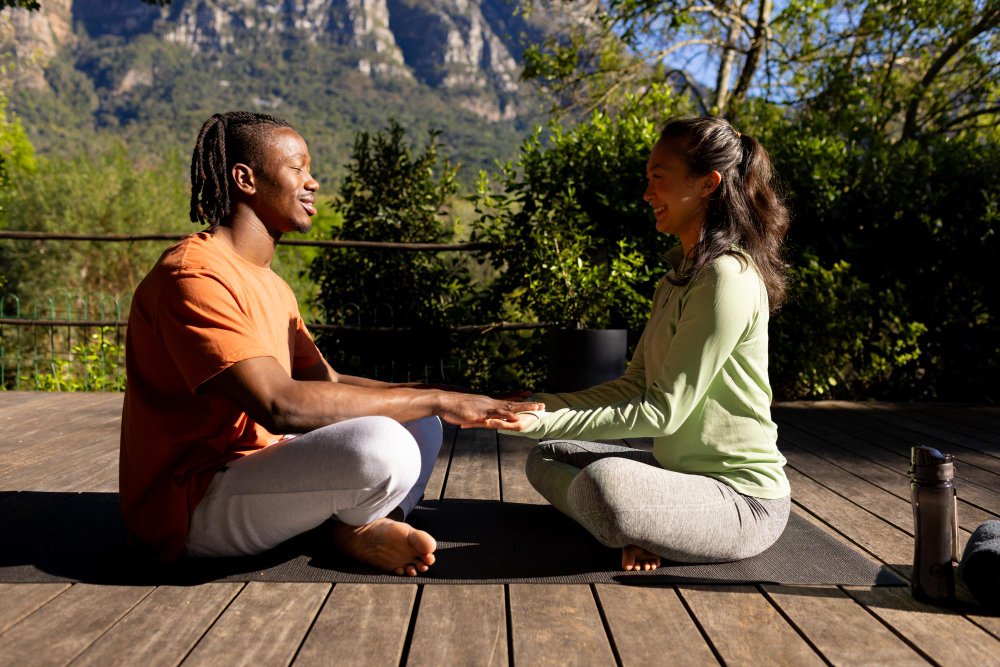
An all-inclusive couples retreat typically bundles lodging, meals, and group programming into a single package. The term describes the logistics rather than the clinical substance. Everything is arranged in one place, so couples arrive and follow a prepared program alongside others.
Marketing language sometimes blurs the two, but “all-inclusive” mainly signals convenience: what is covered, where you stay, and how meals are handled. It says less about how personalized the therapeutic work within the retreat will be.
What “Private” Means in a Couples Retreat Context
A private couples retreat means one couple works at a time, rather than joining a shared group program. It is a structural choice about the format, not a luxury add-on layered onto a package.
The defining trait is focus. With no cohort in the room, the entire experience centers on a single relationship. That structure sets up two things most couples care about: privacy in what they share, and continuity in who guides the work from start to finish.
Group Size and How It Shapes the Experience
Group size quietly shapes the whole experience. All-inclusive formats often bring several couples together into a shared cohort, so sessions are designed for a room of people moving through the same material.
Private formats keep the room to one couple. That does not make either better; they simply distribute attention differently. A cohort offers shared energy and community, while a one-couple setting concentrates individualized attention on the specific dynamics between two partners. The right choice depends on what a couple wants to do with the time.
Session Format: Group Workshops vs One-on-One Work
In a group workshop, a facilitator often teaches shared lectures and hands out exercises that each couple completes privately within the same room. The content is built for the whole cohort, then applied individually.
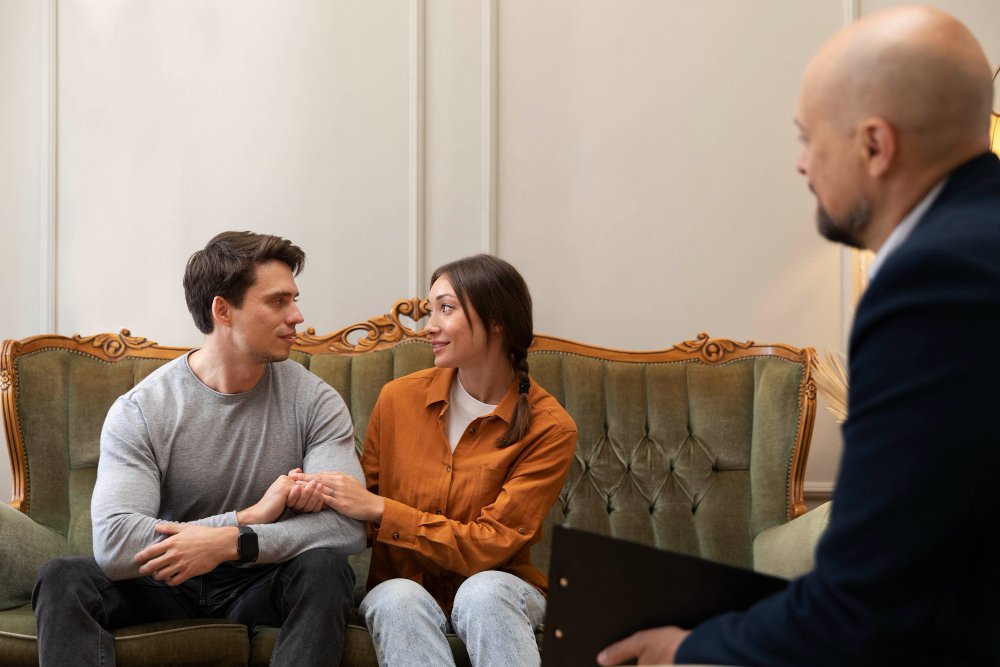
A one-on-one session works differently. Every exchange is built around the specific couple in front of the clinician, so feedback responds directly to what those two partners bring. That directness allows for deeper, more tailored responses than material designed for a broader audience can offer.
Privacy and Confidentiality Differences
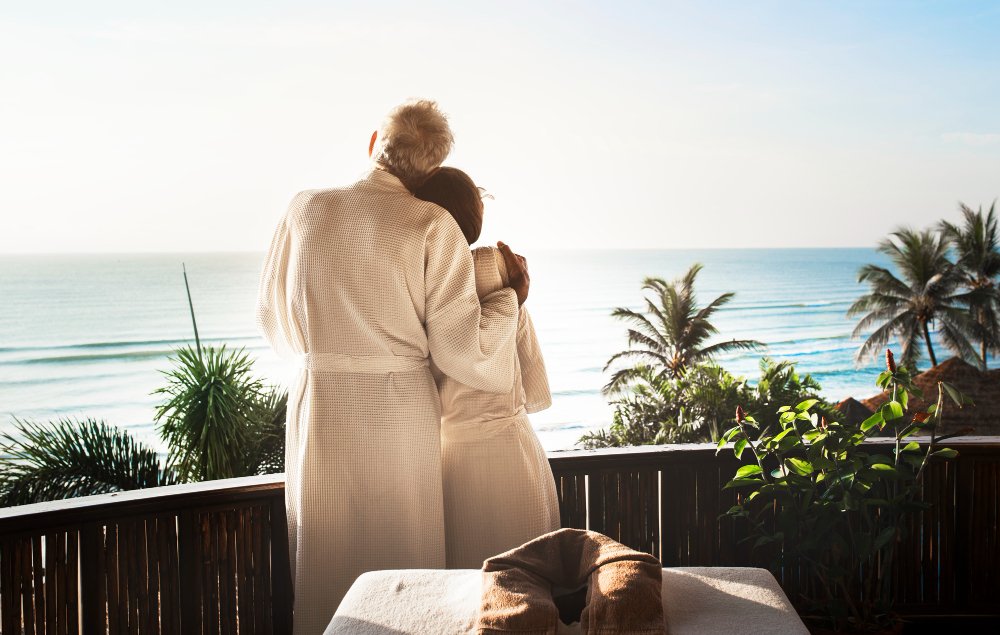
Privacy is a structural difference, not an incidental one. In group formats, some of what surfaces may be witnessed by other couples or shared during discussion, because part of the value comes from a communal setting.
A private couples retreat keeps every disclosure between the couple and their clinician. There is no shared-room dynamic to navigate and no peers present when difficult material comes up. For partners who need to speak freely without an audience, that confidentiality often shapes how honestly the work can unfold.
Customization and Flexibility of the Retreat Itinerary
Customization is where the two formats diverge sharply. All-inclusive programs generally follow a set curriculum because a shared schedule must work for everyone in the cohort. The itinerary is planned in advance and holds steady.
A private retreat can shift focus as the couple’s actual issues emerge. If something unexpected surfaces in session, the itinerary can bend to meet it in real time. That flexibility lets the work follow the relationship rather than a predetermined agenda.
Continuity of Care Across the Retreat
Continuity of care is easy to overlook until it matters. Some formats rotate between multiple facilitators or guest presenters, so couples encounter different people across the retreat. Working with a single clinician from start to finish is not universal across the industry.
Consistency affects trust. When the same person holds every conversation, they carry the full context of what a couple has shared, and nothing has to be re-explained to a new face partway through the experience.
Pacing: Fixed Schedules vs Adaptive Session Length
Pacing follows format. Group programs often run fixed-length workshop blocks, because a shared schedule keeps a cohort moving together through the day. Session length is set in advance and applies to everyone.
A private format can let a session run as long as the work genuinely requires. If a breakthrough is unfolding, there is no bell signalling the next block. Adaptive pacing reflects clinical judgment about the moment rather than a rigid agenda, so the time stretches to fit the couple.
Who Tends to Choose Each Format
Audience patterns tend to sort along what a couple is looking for. Those wanting community, shared perspective, and a lower-commitment introduction often lean toward an all-inclusive couples retreat vacation, where meeting other couples is part of the appeal.
Couples wanting focused, private work often prefer a one-couple format, where attention stays entirely on their relationship. Neither preference says anything about the health of a partnership. It simply reflects the kind of setting and pace each couple feels ready for.
Questions to Ask Before Choosing a Format
A few honest questions make the choice clearer. Consider your group comfort level: does sharing space with other couples feel supportive or distracting? Think about privacy, and how freely each partner wants to speak.
Then ask whether you want a set curriculum or sessions that adapt as issues surface. Consider how much continuity matters, and whether working with one clinician throughout feels important. Answering these together as a couple points to the format that best fits your actual needs.
How Couples Retreat Structures a Private Experience
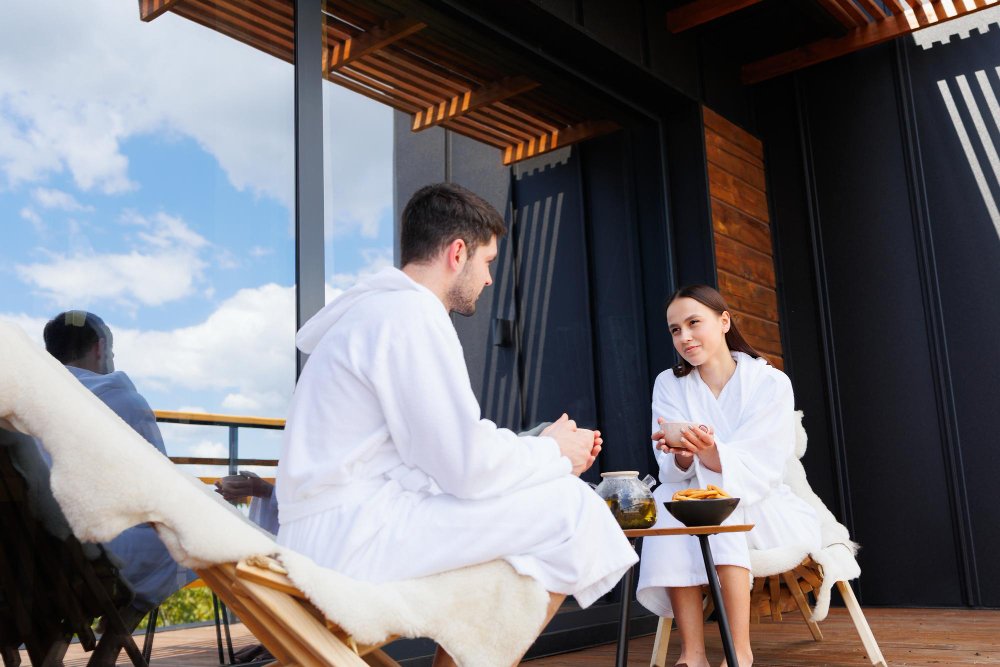
At Couples Retreat, every session is led personally by Andrew Sofin, MA, RP, TCF, RMFT. Rather than moving through a rotating group program with changing presenters, a couple works with one clinician throughout the entire retreat. That single point of contact means the person guiding the work already holds the full context of what has been shared. With more than 25 years of clinical experience, Andrew Sofin brings steady, consistent attention to the relationship in the room, start to finish.
Conclusion
The choice comes down to what each couple values. All-inclusive couples therapy retreats prioritize community, shared programming, and structure, which suits partners drawn to a group setting. A private format prioritizes privacy, adaptive pacing, and continuity with one clinician throughout. Neither is superior; they simply serve different needs, and understanding the difference makes it easier to choose the format that fits your relationship.
Frequently asked questions
What is the difference between an all-inclusive and a private couples retreat?
All-inclusive couples therapy retreats bundle group programming with amenities such as lodging and meals, so several couples move through a shared curriculum together. A private couples retreat keeps the format to one couple and one clinician throughout. The practical difference is group size and continuity of care: a cohort offers community and structure, while a private setting keeps every session focused on a single relationship and consistent with the same guide from start to finish.
How many couples typically attend an all-inclusive retreat?
Group programs commonly involve a cohort of couples attending shared sessions together. The exact number varies by program, but the defining feature is that you are one of several couples moving through the same material at the same time. This differs from a one-couple private format, where no other couples are present. If community and shared perspective appeal to you, the cohort model of an all-inclusive couples retreat is built around exactly that shared experience.
Can a private couples retreat be personalized to our specific concerns?
Yes. A private couples therapy retreat can adapt its focus in real time because there is no shared group curriculum everyone must follow. When something specific surfaces, the clinician can shift the direction of the work to meet it. That flexibility means the retreat follows what is actually happening between two partners rather than a fixed agenda, allowing the experience to reflect the concerns that matter most to your relationship.
Is a private retreat more confidential than a group retreat?
A private couples retreat keeps all disclosures between the couple and their clinician, with no shared-room dynamic. In a group setting, some material may be witnessed by other couples or shared during discussion, which is part of how community formats work. Neither is wrong, but the structures differ. For partners who want to speak freely without any peers present, a private format offers a level of confidentiality that a shared cohort setting cannot replicate.
Which retreat format works best for a couple in crisis?
This is a fit question rather than a matter of severity. Couples who want maximum privacy and individualized pacing often gravitate toward a one-on-one couples retreat, where the entire session responds to their relationship and can run as long as the work requires. Others find value in a group setting and shared perspective. The right answer depends on how much privacy each partner needs and whether adaptive, focused attention feels more supportive than a shared program.