
Do couples retreats work? It is the honest question most couples ask before committing, and at Couples Retreat, Andrew Sofin believes it deserves an honest answer. The outcome depends heavily on how a retreat is structured and how much clinical depth sits behind it. Format alone changes little. Structure, skill, and engagement are what shape whether meaningful change actually happens.
What “Working” Actually Means for a Couples Retreat
Before asking whether a retreat works, it helps to define what a meaningful outcome even looks like. “Working” is not a single guaranteed result. It depends on what a couple needed when they arrived and whether the retreat actually addressed that.
For one couple, meaningful change means learning to talk through conflict without shutting down. For another, it means rebuilding trust after a painful breach. Measuring success against the couple’s real needs is far more honest than any blanket yes-or-no answer.
Why Some Retreats Produce Lasting Change, and Others Don’t
Not all retreats are built the same way, and that difference often shows up months later. As a general observation across the field, retreats led by a licensed, experienced clinician tend to produce more durable change than loosely organized group getaways do.
The distinction is clinical. Structured sessions guided by real credentials can help keep couples steady in difficult moments and support genuine relational work. A purely social format without that depth rarely reaches the same place or holds up over time.
Common Myths About Whether Retreats Work
Skepticism is understandable, and a few myths often come up. One is “it’s too late for us.” Reaching out for support, even after years of distance, simply means something important still matters to both of you.
Another is “we’ll just fight the whole time.” A skilled clinician’s role is to structure those hard conversations so they move somewhere useful, rather than repeating the same painful loop. Doubt is normal, not a verdict on your relationship’s future.
What Research Says About Condensed, Intensive Therapy Formats
Couples often wonder whether a few concentrated days can accomplish what months of appointments do. People ask the same thing when they ask whether marriage retreats work compared with spaced weekly sessions. Broadly, some literature suggests that concentrated time can accelerate certain kinds of relational work. This is general field context, not a specific promise or a verified figure. The intensive format does not suit every situation, but for some couples, condensed work allows momentum to build in a way that a weekly rhythm rarely permits.
Why Focused, Uninterrupted Time Changes the Pace of Progress
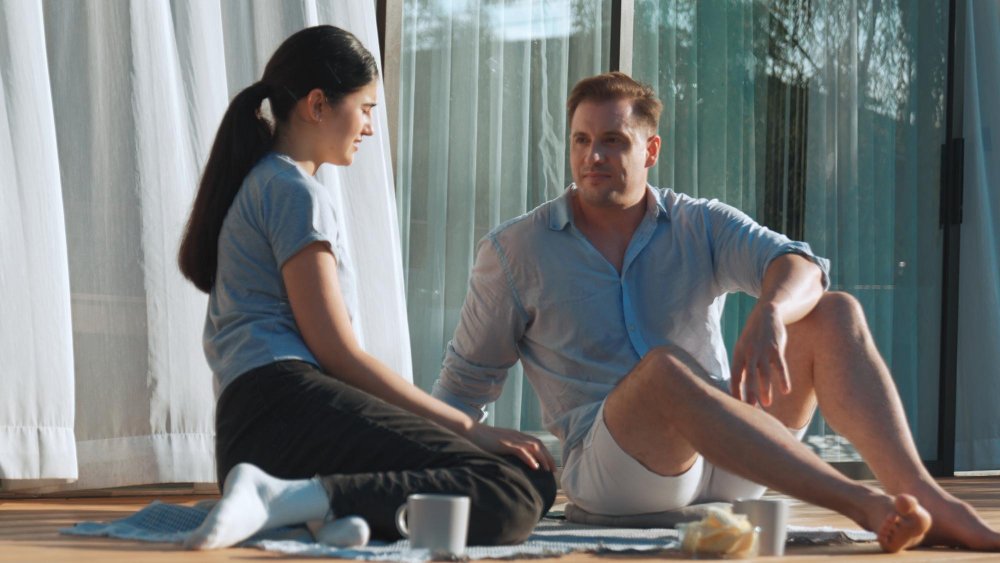
The mechanism behind an intensive is fairly simple. In a standard 50-minute session, couples often reach something raw and tender just as the clock runs out, then wait a full week before returning to it again.
Uninterrupted time removes that constraint. With daily distractions set aside, focused attention lets a couple stay with harder material long enough to actually move through it, rather than reopening the same wound again and again without resolution.
What Determines Whether a Couple Sees Meaningful Change
Clinical structure matters, but it is not the only factor at play. So does both partners’ willingness to engage honestly once the real work begins to surface difficult things.
This is a joint factor, not a judgment of either person. Readiness looks different for everyone, and it can be uneven at the start. What tends to open real change is a shared decision to show up openly, listen carefully, and stay in the conversation even when it feels uncomfortable.
What Happens After the Retreat Ends
A retreat is a beginning, not a finish line. What couples do in the weeks that follow often matters as much as the days spent together in focused session work.
Progress is a process, not a single event. The tools practiced during an intensive need to be continued once you are back home. Framed honestly, integration means keeping the new habits alive, revisiting what you learned, and giving the changes room to settle into daily life together over time.
Signs a Retreat Is Built for Real Clinical Work, Not Just a Getaway
Before booking anything, a few practical signals help you tell substance from scenery. Look for a licensed clinician with verifiable credentials rather than a general facilitator without clinical training.
Then look closely at the design. Is the programming structured and clearly therapeutic, or mostly social with therapy as a side note? A real clinical retreat has a deliberate session structure. A vacation-first framing, however lovely the setting, is a different product entirely.
What Couples Can Reasonably Expect to Change
Honest expectations matter more than sweeping promises. Many couples report leaving with better communication tools and a renewed sense of emotional connection after focused work together over several concentrated days.
These are common outcomes, not guaranteed or universal ones. What shifts depends on where a couple started and how they engaged with the process. Realistically, you might expect clearer ways to talk through conflict and a steadier feeling of being on the same team, rather than an instant transformation.
When a Retreat Might Not Be the Right Fit
An honest answer includes naming when the format is not ideal. A couples retreat is not a substitute for individual mental health treatment when that is genuinely the primary need in the moment.
If one partner is navigating a significant personal health concern, addressing that first often makes shared work more productive later on. This is not a diagnosis of your situation, simply a note on sequencing and timing. The right support at the right time serves the relationship best.
How Couples Retreat and Andrew Sofin Approach Lasting Change

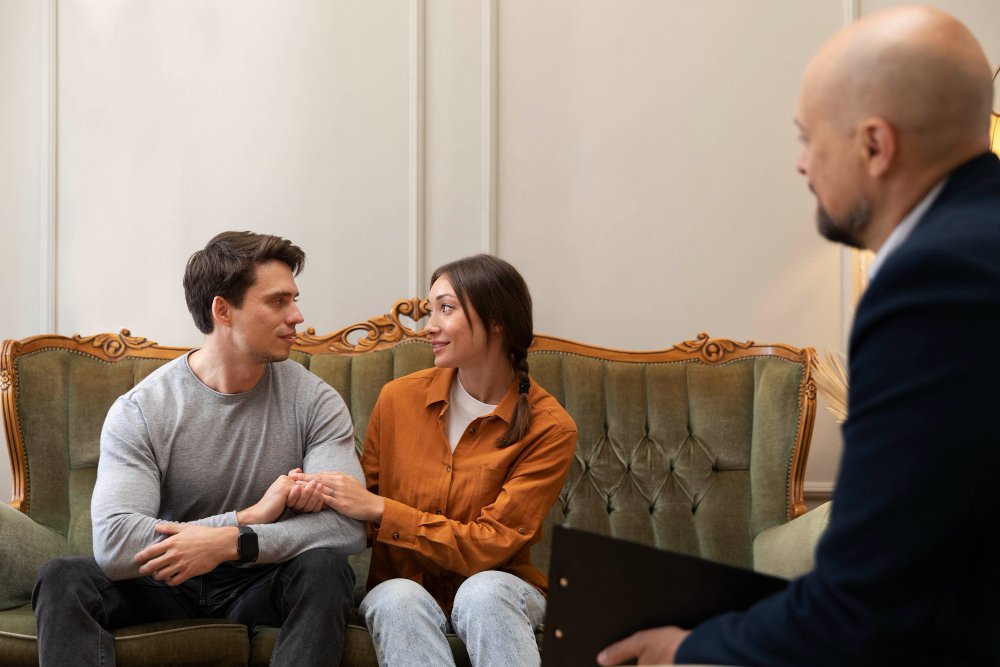
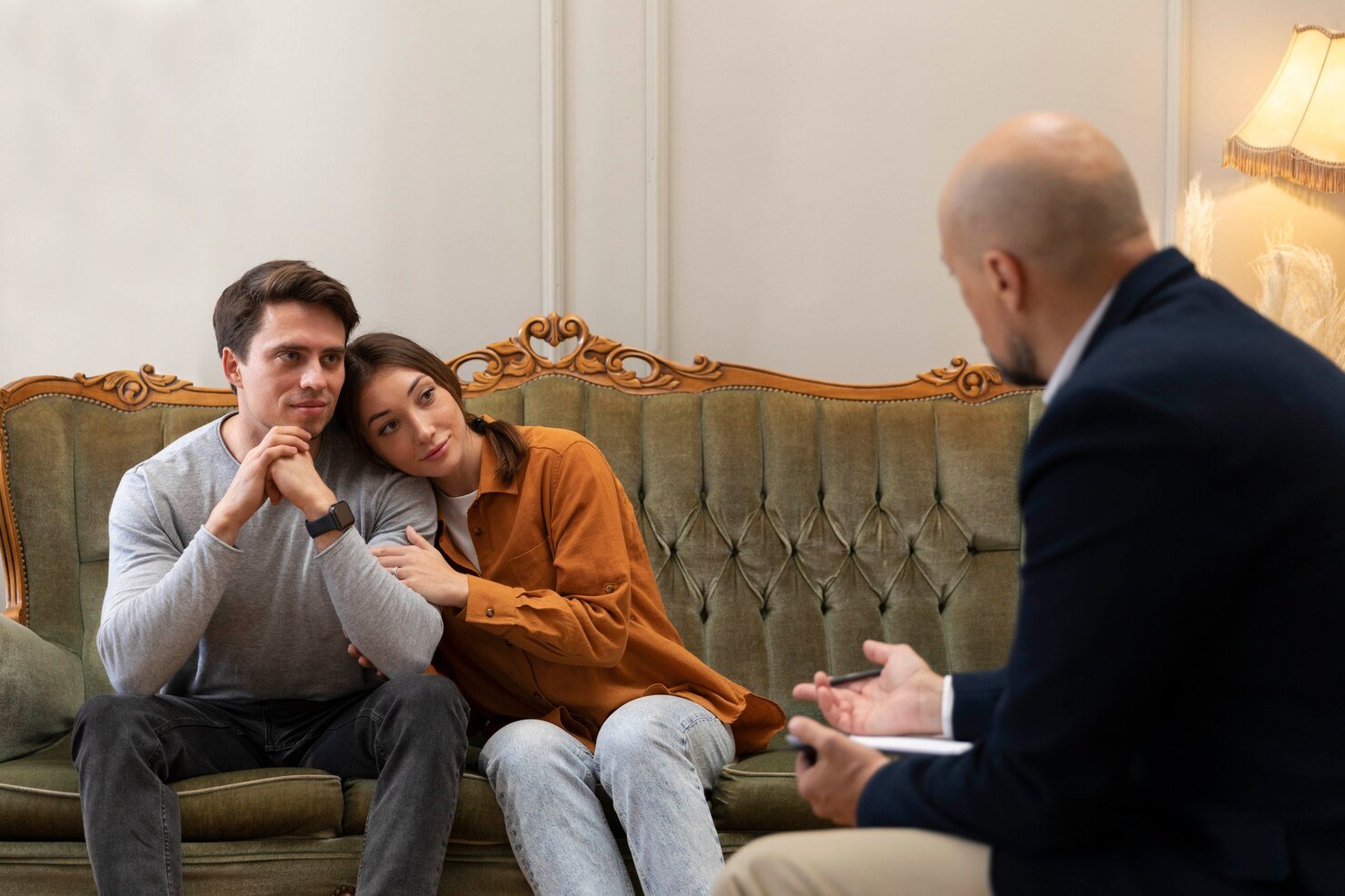
At Couples Retreat, sessions are led personally by Andrew Sofin, MA, RP, TCF, RMFT, drawing on more than 25 years of clinical experience. One couple works with one clinician throughout, never a rotating group program.
Rather than following a fixed curriculum, the work is structured around what each couple actually needs. Many couples report that this focused, individualized attention is what finally allowed them to hear each other clearly and begin moving forward together.
Conclusion
So, do couples retreats work? The honest answer is that it depends on three things working together: genuine clinical structure, both partners’ engagement, and the follow-through practiced in the weeks after the retreat ends. No format guarantees an outcome, and no single weekend erases years of accumulated distance. What a well-designed retreat can offer is focused, credible space to reconnect, rebuild, and rediscover each other. Whether that fits your relationship depends on your needs, timing, and shared willingness to begin the work together.
Frequently asked questions
Do couples retreats actually work?
The most honest answer reframes the yes-or-no question entirely. Whether couples retreats work depends far more on structure and engagement than on the format itself. A retreat guided by a licensed clinician, built around real session design, and met with honest participation from both partners has the conditions for meaningful change. Without those elements, results tend to fade. So rather than a blanket guarantee, the better question is whether a particular retreat is built to do genuine relational work.
What determines whether a couples retreat is effective?
Three factors carry most of the weight, and they explain why couples ask whether these retreats are worth it. First, clinical credentials: a licensed, experienced clinician makes a meaningful difference. Second, session structure: deliberate, therapeutic programming rather than loosely social time. Third, both partners’ engagement, since the deepest work depends on showing up honestly. When all three are present, a couple is positioned for durable change. When one is missing, the experience often stalls.
How is an intensive retreat different from weekly couples therapy?
Both approaches can support couples, and the question of whether couples therapy works applies to each. The difference is time. Weekly therapy spreads work across months of 50-minute sessions, which can lose momentum between appointments. An intensive retreat compresses that focused time into consecutive days, letting a couple stay with difficult material long enough to move through it. Neither format is universally better, but for some couples, the concentrated rhythm reaches ground that spaced-out sessions had not yet touched.
Can a couples retreat help if we’ve already tried therapy before?
It often can, and this is a common question about whether couples therapy retreats work after earlier attempts. Weekly sessions sometimes stall before reaching the more challenging material, especially when momentum breaks down between appointments. A concentrated format can surface progress that a slower pace had not reached, giving couples uninterrupted time to go deeper. This is a genuine possibility rather than a guarantee. Previous therapy is often groundwork that a focused intensive can finally build on.
What happens after a couples retreat ends?
The days in session are a starting point, and the real results of a couples retreat take shape afterward. Integration is where progress becomes lasting: continuing to use the communication tools at home, revisiting what you learned, and giving new habits time to settle into everyday life. Change is a process, not a single event, so the weeks that follow matter as much as the retreat itself. Couples who keep practicing what they discovered tend to hold onto the ground they gained.
To explore whether this approach fits your relationship, you are welcome to speak with Andrew Sofin at Couples Retreat. Reach out through the contact page to learn how a retreat works.