
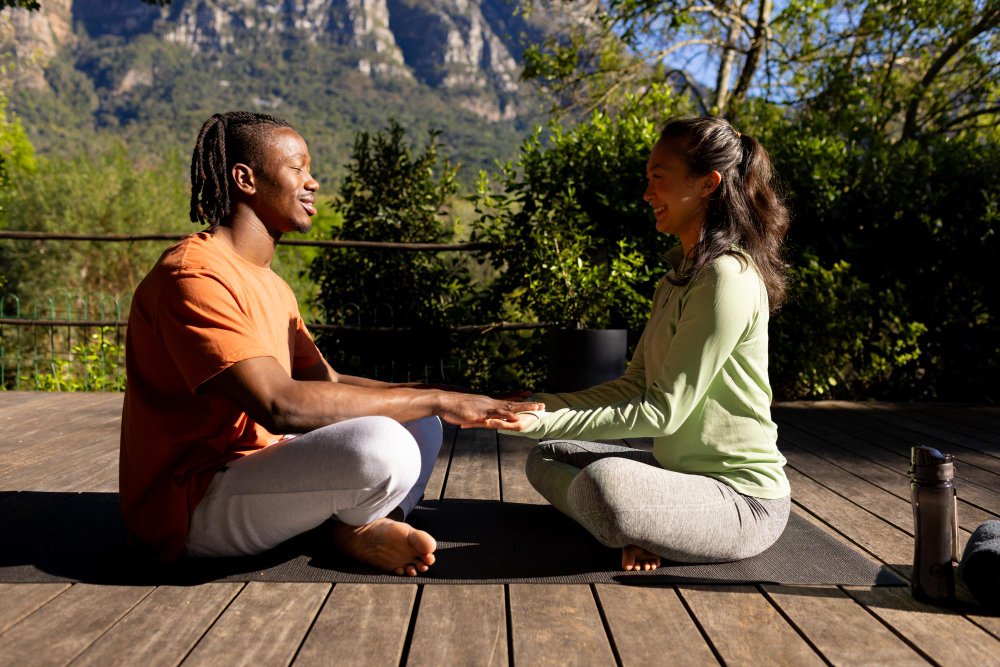
Knowing how to prepare for couples therapy is the practical question sitting quietly behind the nerves. At Couples Retreat, that question deserves a clear answer. Preparation for an intensive retreat is not only paperwork and packing. It is both logistical and emotional, and this guide walks you through both so you and your partner can arrive ready for the days ahead.
What to Know Before You Book an Intensive Retreat
Preparation begins before goal-setting, with a simple question: who leads the retreat, and how are the days structured? Understanding a clinician’s credentials and experience helps you feel confident about the space you are entering. Verify training, background, and the amount of direct time you will have together.
Knowing whether sessions run on concentrated days and what the daily rhythm looks like lets you picture the work ahead. That clarity settles many of the practical worries that surface before you commit.
Setting Clear Goals Before the Retreat Begins
Couples who arrive with some sense of what they hope to accomplish tend to use the intensive time more effectively. You do not need a polished plan. A few honest goals and intentions are enough to give the work direction.
Naming what success might look like — better communication, rebuilding trust, or simply feeling heard — gives the clinician a starting point. Even rough intentions bring vague hope into something you can actually work toward together.
What Pre-Retreat Assessment Materials Typically Involve
Many retreat formats include some form of intake before you arrive. This often means a pre-retreat questionnaire or an intake conversation designed to give the clinician context about your relationship, history, and current concerns.
These materials are not a test. They help the person leading your retreat understand where you are starting from, so the focused time together is not spent gathering basic background. Completing them honestly is part of preparing for couples counseling in a way that lets the real work begin sooner.
Preparing Emotionally for Difficult Conversations
Emotional readiness means expecting some discomfort without dreading it. Intensive work often surfaces topics you have circled for a long time, and that is precisely the point. Feeling nervous is not a warning sign. It is a normal response to doing something meaningful.
You can prepare by giving yourself permission to feel unsettled and by trusting that hard conversations, held with support, tend to move a relationship forward. Approaching the days with steady expectations makes the emotional work more manageable for both of you.
Practical Logistics to Sort Out Beforehand
The more you settle in advance, the more present you can be once the retreat begins. Clearing your calendar, arranging childcare, and letting work know you will be unavailable removes the mental clutter that competes for attention.
Handle scheduling and travel details early so they are not lingering worries during the days themselves. When logistics are quietly handled, you free yourselves to focus entirely on each other and the work in front of you.
Talking to Each Other Before You Arrive

Preparation is a joint act, not one partner’s responsibility. A brief conversation before you arrive, about what you each hope for and what you feel anxious about, can noticeably reduce first-day nerves for both of you.
This talk does not need to resolve anything. Its purpose is to align you as a team walking in together, rather than two people arriving with private, unspoken agendas. A short, honest exchange helps you enter the retreat feeling more connected and less uncertain.
Setting Expectations You Can Both Agree On
Mismatched hopes can quietly derail early sessions. If one partner expects a full resolution and the other expects a first step, disappointment can surface before the work has really begun.
Talk together about what the retreat is and what it is not. Discussing what each of you realistically expects helps you form shared expectations rooted in the same understanding. Agreeing ahead of time protects the experience from assumptions neither of you named out loud.
What to Bring and What to Leave at Home
Beyond the practical items you would pack for any trip, think about what to leave behind. Phones, work materials, and the pull of daily obligations are distractions the intensive format is designed to move past.
Setting an out-of-office message and truly stepping away signals to yourself that these days are protected. Bringing an open mind and a willingness to listen matters more than anything in your bag.
Timing Your Retreat Around Your Schedule
When you schedule matters as much as whether you do. Choosing dates without major deadlines immediately before or after gives you room to ease in and to integrate afterward, rather than rushing from one demand into another.
Stacking a retreat against a work crunch or a family event undercuts the focus these days require. Look for a window where pressures are lower on both sides, so you can arrive settled and leave with time to absorb what you have done together.
Common Concerns Couples Have Before Starting
It is common for one or both partners to feel nervous before beginning, and that hesitation deserves acknowledgment, not pressure. You might wonder whether it is the right time, whether it will feel exposing, or whether change is truly possible.
These concerns are ordinary and reasonable. Naming them — to each other or to the clinician — often eases them. Arriving with some nerves, alongside a willingness to try, is a perfectly honest place to begin the work together.
How Andrew Sofin at Couples Retreat Prepares You

At Couples Retreat, preparation and the retreat itself are led by one person. Andrew Sofin, MA, RP, TCF, RMFT, works directly with each couple before the retreat to understand their situation, history, and hopes. Because the same clinician who reads your intake also sits with you across the days ahead, there is genuine continuity between how you prepare and the sessions themselves. Nothing gets handed off or repeated — you arrive already known, rather than starting from scratch on your first morning together.
Conclusion
Learning how to prepare for couples therapy ahead of an intensive retreat comes down to three threads woven together: practical logistics, emotional readiness, and shared goal-setting as a couple. Handle the scheduling, talk openly beforehand, and arrive with honest intentions rather than perfect certainty. If you would like to understand how this kind of retreat works, you can explore the experience at Couples Retreat and speak with Andrew Sofin about what preparing together might look like for you both.