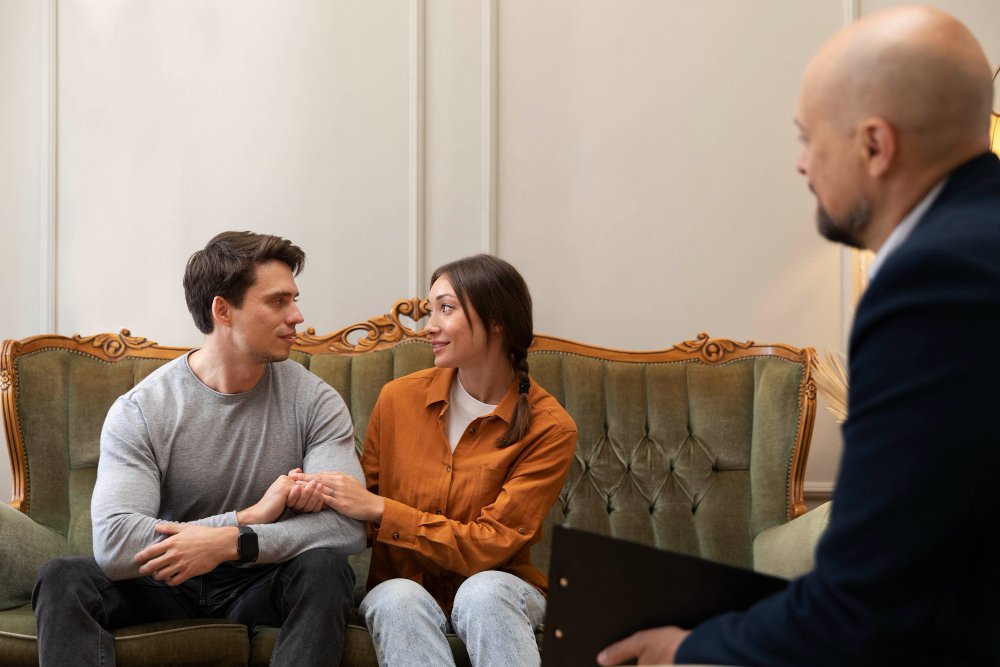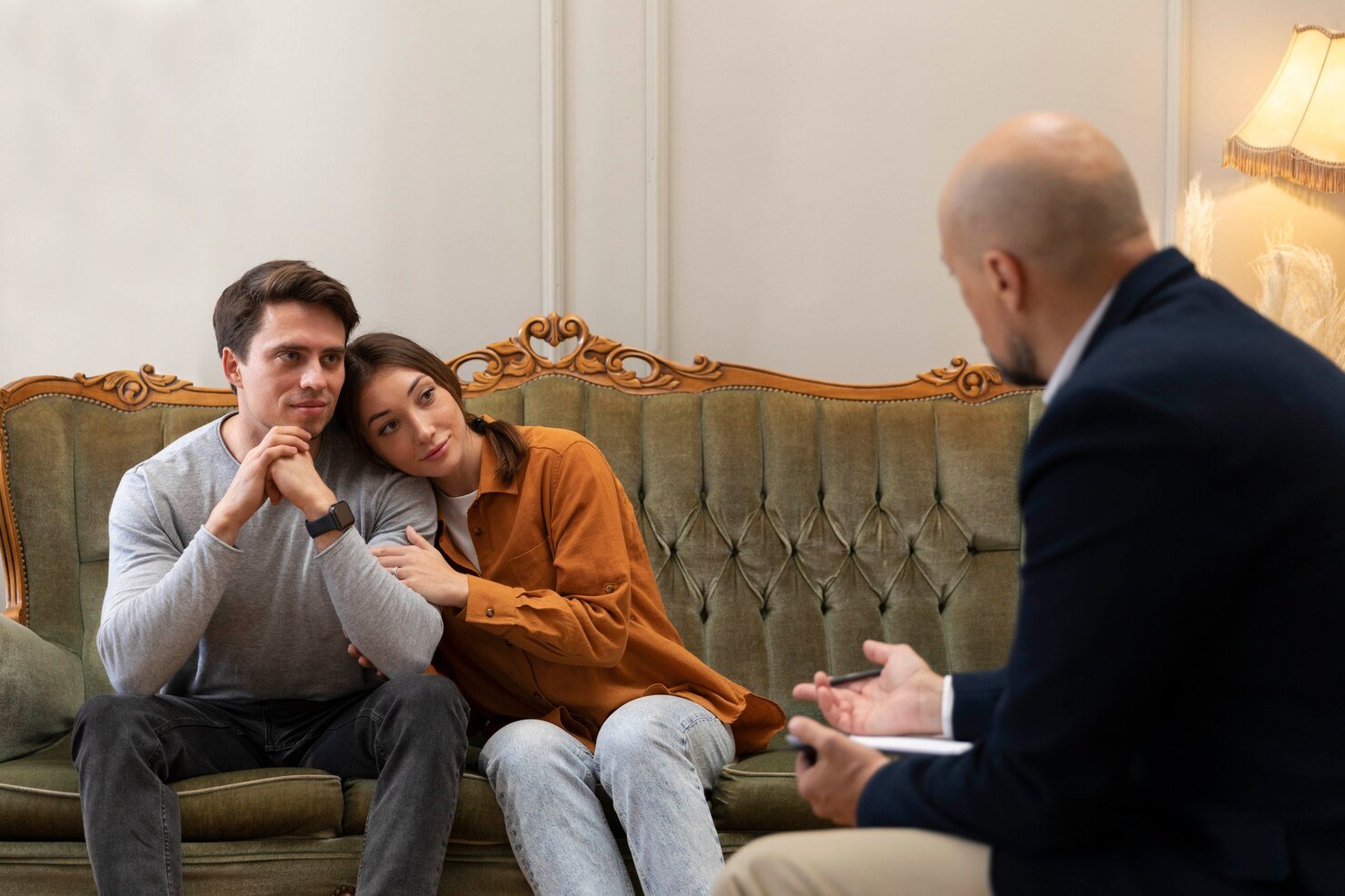

The couples therapy success rate sits at roughly 70 to 75 percent across major research bodies, but that number deserves context before it means anything useful. Couples searching this question are usually in real distress and need more than a headline figure. This article covers what the research actually measures, what shapes outcomes, and what success in couples therapy genuinely looks like.
What “Success Rate” Actually Measures
When researchers report a couples therapy success rate, they are not measuring whether couples stay married or not. They are tracking movement from clinical distress to functional relationship satisfaction. Outcomes tracked include improvements in communication quality, emotional closeness, and individual mental health. The 70 to 75 percent figure reflects significant clinical improvement, not a vague sense of feeling better. The distinction matters for couples interpreting what the evidence actually promises.
The Marriage Counseling Success Rate Explained
The American Association for Marriage and Family Therapy reports that more than 75 percent of couples who complete therapy show improved relationship function. Emotionally Focused Therapy clinical trials show recovery rates of 70 to 73 percent, with the majority of participants demonstrating measurable improvement in emotional health. These figures draw from decades of peer-reviewed research. The person who receives couples therapy fares measurably better on average than the person who does not seek help.

Why “Success” Doesn’t Always Mean Staying Together
For some couples, a therapist-supported path through a respectful separation is itself a positive outcome. Couples therapy can improve communication and reduce conflict even when the relationship ends. Researchers consistently track individual mental health improvements and reduced hostility as valid outcome measures, separate from whether the couple remains together. Redefining success in these broader terms lowers the threshold for seeking help and removes the implicit pressure that therapy must save the relationship to count as worthwhile.
How Therapy Type Affects Outcomes
Not all couples therapy approaches produce equivalent results. Traditional behavioral couples therapy shows improvement at lower rates, with higher relapse over time. Emotionally Focused Therapy produces recovery rates of 70 to 75 percent with lasting gains documented at two-year follow-up in peer-reviewed trials. The Gottman Method shows strong results for communication-focused patterns. An evidence-based model applied by a trained specialist consistently outperforms general psychotherapy applied to relationship problems.
Factors That Predict Better Results
Both partners’ genuine willingness to engage honestly is the single strongest predictor of positive outcomes. Couples who seek help earlier in the distress cycle show stronger results than those who wait years. Research indicates most couples wait an average of six years after problems begin before seeking help. Therapists with specific couples training and evidence-based clinical models produce measurably better results than generalists. Practicing skills between sessions extends the benefit of each hour of work.
Who Is Most Likely to Benefit
Research supports couples therapy effectiveness across a wide range of situations and relationship types. Couples dealing with infidelity, communication breakdown, emotional disconnection, and crisis transitions all show measurable improvement. Income level, relationship structure, and demographic background do not reliably predict who benefits. Couples who fear they have waited too long are often still strong candidates for meaningful gains. Severity of distress at entry does not, by itself, predict failure.
Common Reasons Therapy Falls Short
The most consistent cause of poor outcomes is one or both partners being disengaged during sessions. Beginning therapy very late in the distress cycle reduces the likelihood of full recovery, though it does not eliminate it. A poor fit between the therapist’s approach and the couple’s needs affects outcomes independently of effort. Therapy without a clear evidence-based structure tends to produce lower results. Dropout in structured programs is linked most strongly to disengagement.

How Couples Retreat Works
The same factors research identifies as predictors of strong therapy outcomes — clinical specialization, evidence-based structure, sustained engagement, and immersive focus — are the defining features of Couples Retreat. Andrew Sofin, a licensed couples and family practitioner with more than 25 years of focused clinical experience, visiting professor at the University of Guelph, and president of CACFT, works exclusively with couples in a multi-day intensive format designed to accelerate meaningful change.
How Long Before Couples See Result
Many couples begin noticing early shifts within the first several sessions, though deeper changes in communication and emotional responsiveness typically require sustained work over several months. Research suggests most significant gains in structured couples work appear between sessions 8 and 20. Progress is not always linear. Long-term gains at one to two years post-therapy are well-documented for evidence-based approaches, suggesting the changes that occur in structured couples work tend to be durable rather than temporary.
What Makes a Therapist Effective for Couples
General therapists and couples specialists are not interchangeable. Couples work requires a distinct skill set that differs substantially from individual psychotherapy. Therapists trained in Emotionally Focused Therapy, the Gottman Method, or comparable evidence-based models consistently produce better outcomes than those applying general techniques to relationship problems. Experience working specifically with couples, rather than total years in practice, is a more meaningful quality signal. Clinical specialization is one of the clearest predictors of stronger outcomes.
When Couples Therapy Is Not Enough
Some couples complete multiple rounds of weekly therapy without sufficient progress. Research identifies treatment non-response among couples with deeply entrenched negative interaction patterns that once-weekly sessions cannot disrupt. An intensive, extended-format intervention with a specialist can address these patterns differently. This is not a sign of therapeutic failure. It reflects a clinical need for a higher level of care — one that allows sustained, uninterrupted work before the couple returns to their daily environment.
Conclusion
The couples therapy success rate, consistently at 70 to 75 percent across major research bodies, reflects genuine and measurable improvement for most couples who commit to the process. Success varies with therapeutic approach, timing, and engagement. The evidence supports couples therapy as an effective clinical intervention for relationships under significant strain. Format and therapist specialization are among the strongest levers. Evidence-based treatment with a trained specialist gives couples the best foundation for lasting change.
Frequently Asked Questions
What is the success rate of couples therapy?
Research consistently places the couples therapy success rate at approximately 70 to 75 percent, meaning that proportion of couples who complete evidence-based treatment show meaningful improvement in relationship satisfaction. This figure is consistent with data reported by the American Association for Marriage and Family Therapy. The number reflects clinical improvement, not necessarily whether the couple stays together. Outcomes depend on engagement level, timing, and the approach the therapist uses.
Does couples therapy actually work?
For most couples who commit to the process, couples therapy produces measurable gains in communication, emotional closeness, and relationship satisfaction. The evidence base spans decades and includes randomized controlled trials across multiple countries. Couples using structured, evidence-based models show stronger and more durable results than those in less structured formats. The answer depends on how engaged both partners are and whether the clinical model is matched to the couple’s specific situation and needs.
How long does couples therapy take to work?
Many couples begin noticing early shifts within the first several sessions. Deeper changes in communication and emotional responsiveness typically require sustained work across several months. Research suggests most significant gains appear between sessions 8 and 20. Gains made in evidence-based therapy tend to hold at follow-up assessments one to two years after therapy ends. Progress is not always linear, and plateau periods before meaningful breakthroughs are recognized in the clinical process.
What does success mean in couples therapy?
Success in marriage counseling is not defined only as staying together. Researchers track movement from clinical distress to functional relationship satisfaction, improvements in individual mental health, and whether gains persist over time. For some couples, a respectful path through separation is itself a successful outcome measured by reduced conflict and improved communication. Understanding what marriage counseling success rate figures actually measure helps couples enter therapy with realistic expectations rather than all-or-nothing thinking.
Is couples therapy worth it?
For couples experiencing communication breakdown, emotional disconnection, recurring conflict, or acute relational distress, the research strongly supports therapy as a worthwhile investment. Most couples who complete evidence-based treatment report lasting improvements in their relationship and individual wellbeing. The clearest predictor of benefit is mutual willingness to engage honestly. Entering therapy earlier in the distress cycle produces stronger results. The evidence does not support waiting, particularly when patterns have persisted for months or years.
When is couples therapy most effective?
Couples therapy produces the strongest results when both partners are engaged and apply what they learn between sessions. Research consistently shows better outcomes for those who seek help earlier rather than waiting years. Working with a therapist trained in evidence-based couples work further improves the likelihood of a positive outcome. Therapist specialization is one of the clearest predictors of higher marriage therapy success rates. Early intervention and genuine engagement produce the strongest documented outcomes.