
Wondering what happens during an emergency couples therapy retreat can be a barrier to reaching out. At Couples Retreat, Andrew Sofin structures each experience so you understand the process before you arrive. Not knowing what to expect can keep many couples hesitating. This walkthrough takes you through every stage, from the first conversation to the plan you carry home together.
Understanding a Marriage Crisis Consultation
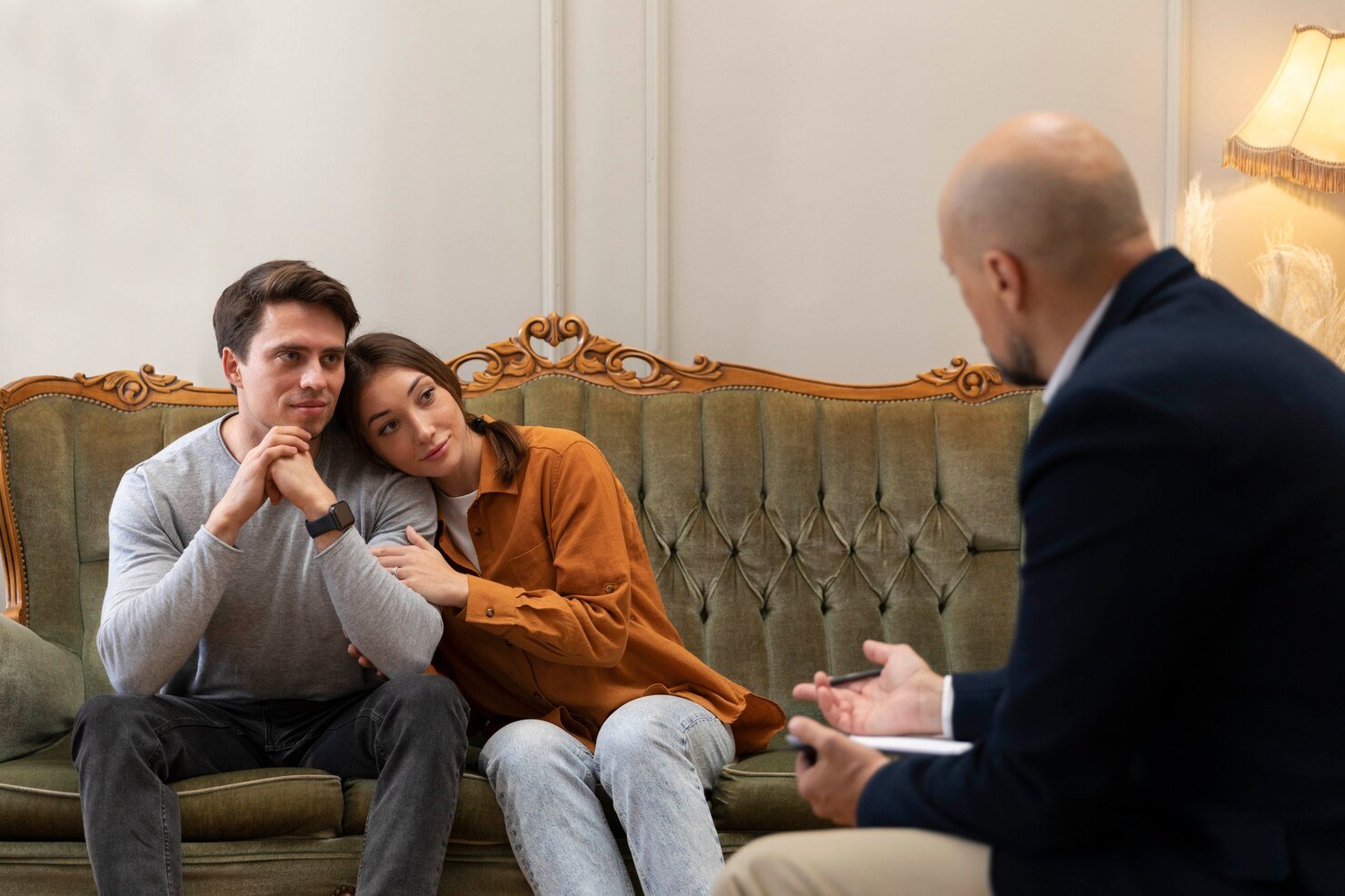
The first conversation is direct, not a screening form. It is a chance to describe things in your own words. The questions are straightforward: what is happening in the relationship, how heavy things feel, and whether anyone is unsafe. There is no scripted checklist and no promise of a specific response time. The goal is simply to understand your situation clearly so the work that follows fits what you and your partner are actually facing.
Building a Retreat Plan Around Your Crisis
No two crises look alike, so the plan is not pulled from a fixed template. After the first conversation, Andrew Sofin shapes session focus and pacing around clinical need. If communication has collapsed, that comes first. If a specific rupture dominates, the plan bends toward it. This flexibility is deliberate. An emergency couples therapy retreat works because it adapts to your relationship rather than forcing your relationship into a predetermined schedule that ignores what matters most.
Choosing a Private, Neutral Location
The retreat takes place away from home, away from the daily triggers that keep couples cycling through the same arguments. A private, neutral setting removes interruptions and lets both partners focus on each other. Discretion is a core value here. You are not sharing a waiting room or explaining yourself to anyone. That sense of privacy makes it easier to speak honestly, which is often where meaningful progress in an emergency couples therapy retreat begins.
Day One: Stabilizing the Immediate Crisis

The first day is not about solving everything. It is about steadying the ground beneath you. Andrew Sofin focuses on de-escalation, helping both partners lower their guard enough to be heard. Before any deeper work can happen, each person needs to feel that their experience matters. Day one is designed to help build that safety. It slows the reactive cycle so that what follows can be reflective rather than defensive, giving the couple a genuine starting point.
Structuring Sessions Around What’s Urgent
Traditional therapy often stops at the 50-minute mark, whatever is happening in the room. An intensive marriage intervention does not work that way. Sessions run as long as clinically necessary, so a breakthrough is not cut short by a clock. If a conversation needs more time to reach resolution, it gets that time. This pacing lets couples stay with difficult moments through to something steadier, rather than leaving mid-thought and carrying the tension into the rest of the day.
Individual Time vs. Joint Time
The days follow a consistent rhythm. Each day weaves together joint sessions, where you address the relationship as a shared space, and individual sessions, giving each partner private time with Andrew Sofin to speak candidly about what they may struggle to say in front of the other. This balance matters. Joint time builds shared understanding, while individual time surfaces what each person needs. Together they give the work more depth than either format could reach on its own.
How Consecutive Days Change the Pace of Progress
Weekly therapy often loses momentum in the gaps between appointments. A week passes, life intervenes, and the next session begins by rebuilding lost ground. Consecutive days remove that gap. Progress made in the morning carries into the afternoon and into the next day, uninterrupted. Insight builds on insight while it is still fresh. This continuity is why a concentrated format can help couples sustain momentum that hours spread across months may not.
Why Couples Retreat Built an Emergency Format
Couples Retreat built an emergency format for couples in crisis who need concentrated attention. Retreats run over consecutive days, and during that time one couple works exclusively with Andrew Sofin, MA, RP, TCF, RMFT, with attention undivided. The format also includes aftercare planning, so the work does not end when you leave. It is built around the reality of couples who need focused, sustained support. That focus gives the work room to unfold.
Working Through the Specific Rupture
This is not a generic curriculum applied to every couple. The retreat addresses the actual rupture that brought you here, whether that is a breach of trust, a communication breakdown, or a slow drift into distance. Andrew Sofin works with what is genuinely present rather than what a standard workbook assumes. The time is spent on what matters to you, not on exercises that skirt the real issue. The work follows what you bring.
Building an Aftercare Plan Before You Leave
The transition home is where many couples lose the ground they gained, and planning for it matters. Before you leave, Andrew Sofin helps you build an aftercare plan for the days that follow. That plan gives you concrete next steps so momentum isn’t lost when daily life resumes. Knowing what to expect after the retreat, and having those steps in place, gives your progress a real chance to hold in the days ahead.
How This Differs from a Single Emergency Session

A single emergency appointment can help a couple through an acute moment, but it can only do so much in one sitting. The multi-day format allows deeper work than a single session may reach. There is room to stabilize, then explore, then rebuild, all within a continuous stretch of time. Rather than triaging one flare-up and sending you home, the retreat gives space to understand the pattern beneath the crisis and begin addressing it properly.
Conclusion
Knowing what happens during an emergency couples therapy retreat removes the uncertainty that so often holds couples back. From the first consultation through day one stabilization, extended sessions, joint and individual time, and a concrete aftercare plan, every stage is designed to meet a relationship where it is. Every retreat is shaped around the couple in it, so no two experiences look exactly alike. Andrew Sofin works with one couple at a time, giving your situation full attention.