
Many couples wonder what an intensive marriage counseling retreat actually looks like, day to day, before they commit. At Couples Retreat, that question deserves a clear answer. Andrew Sofin offers concentrated, private, clinician-led time that lets you and your partner focus fully on the relationship. Here is how the experience unfolds, from first conversation to the work you carry home.
Before You Arrive: Intake and Goal-Setting
The work begins before Day One with a pre-arrival clinical intake to understand what brought you here, the history you share, and what each partner hopes to reach together. This early step lets the retreat focus on what matters most to you rather than a generic agenda. Naming your goals ahead of time gives the intensive direction from the moment you arrive, so the retreat can begin with focus once you sit down.
Day One: Assessment and the First Joint Session
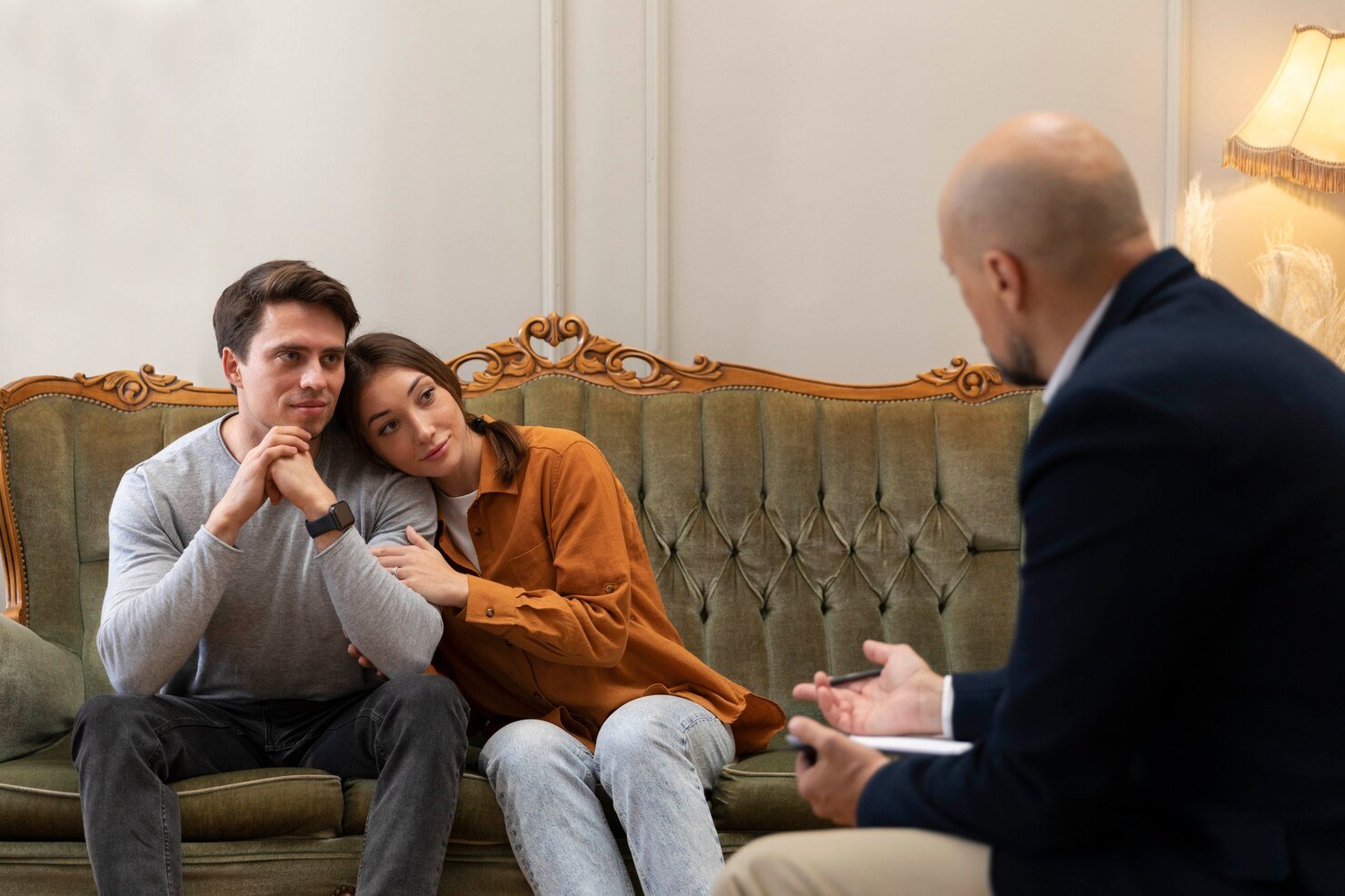
Day One opens with a first joint session. Sitting together with Andrew Sofin, you begin building a common picture of the relationship: how you got here, what each partner feels, and where the strain sits. This opening session isn’t about assigning blame. It establishes an honest, shared understanding that the rest of the retreat builds on, so both partners feel heard and oriented before deeper work begins, at a pace you set together.
Joint and Individual Therapy Sessions
A typical day moves between joint and individual therapy sessions. Joint sessions center on couples work, where you and your partner face questions together with Andrew Sofin guiding the exchange. Individual sessions give each person space to explore feelings that are harder to voice in the room together. This rhythm lets the retreat address the relationship as a whole while honoring what each partner needs privately, then bring those insights back into shared work.
Working Through Difficult Moments Together

Hard conversations surface during intensive work, and that is expected. What differs here is that Andrew Sofin is present as they happen, guiding the exchange in real time rather than leaving you to process alone between appointments. When tension rises, you have a steady clinical presence helping you both slow down, hear each other, and move through the moment together. Difficult exchanges become part of the work. The pace stays with the two of you.
How Sessions Are Timed to Clinical Need
There are no rigid 50-minute blocks here. When a breakthrough is unfolding, the session continues; when a pause serves you better, that is honored too. Session length follows what the moment actually requires, so meaningful work isn’t cut short by a clock. This flexibility is one reason the intensive format can reach depth that fixed weekly appointments may not allow, letting the pace match the couple in the room rather than a fixed schedule.
The Role of Privacy in an Intensive Format
The intensive is private by design. There is no group setting, only you, your partner, and Andrew Sofin. That privacy makes it easier to speak openly about things you might hold back in front of others. Working one couple at a time keeps the focus on your relationship, without splitting attention or time. For many couples, this concentrated, private space can help them be more honest. Privacy is part of how the work is held.
How Progress Compounds Across Consecutive Days
Because the days run consecutively, each one builds directly on the last. No week-long gap lets insight fade or old patterns reassert themselves before the next appointment. What you uncover on one day carries into the next morning while it is still fresh, allowing momentum to gather. This continuity is central to what to expect at an intensive marriage counseling retreat: steady momentum rather than the stop-and-start rhythm of sessions weeks apart.
Couples Retreat’s Intensive Format with Andrew Sofin
At Couples Retreat, every intensive is led by one clinician for one couple: Andrew Sofin, MA, RP, TCF, RMFT. His background in marriage and family therapy shapes each retreat, which spans consecutive days. The retreat takes place in calm, private settings designed so you and your partner can focus entirely on the work rather than logistics. Each retreat is shaped around the couple in it, so the experience is never a generic program.
Leaving With a Plan: Integration and Follow-Up
The retreat doesn’t end when you head home. You leave with a concrete plan for carrying the work forward, grounded in what you discovered together over your days at the intensive. The format also includes aftercare planning, so the transition back to daily life has a clear path forward. This integration step helps you protect the progress you made and keep building on it, rather than watching momentum fade once routines resume.
How This Compares to Weekly Couples Therapy
Weekly couples therapy and the intensive format serve different needs. Weekly sessions spread work across months, with life happening between each appointment. An intensive concentrates that focus into consecutive days, reaching depth and pace that weekly scheduling may not allow. Neither is better for every situation. The right choice depends on your circumstances. The intensive offers uninterrupted momentum, letting you and your partner stay in the work long enough for real shifts to take hold.
Who Tends to Choose an Intensive Format
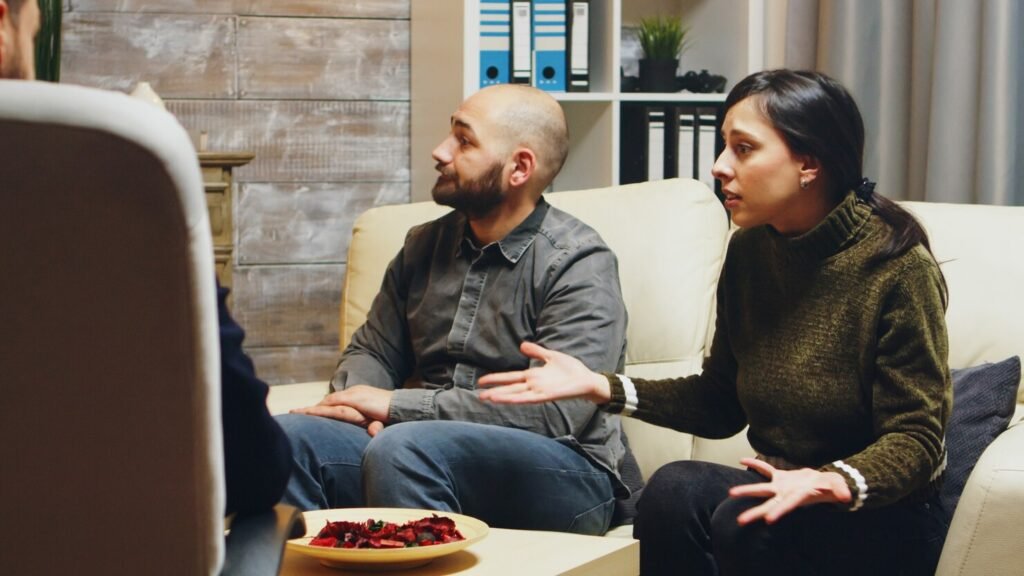
Couples come to the intensive format for different reasons. Some are in crisis and need focused attention. Others have plateaued in weekly therapy and want a change of pace to move forward. Still others face travel or scheduling constraints that make consistent weekly appointments difficult. None of these is a requirement, and none signals failure. The format simply fits couples who benefit from concentrated time together rather than sessions spread thin across many weeks.
Conclusion
An intensive marriage counseling retreat gives you and your partner concentrated, private, clinician-led days to genuinely hear each other. From the intake through Day One, joint and individual sessions, real-time support through hard moments, and an aftercare plan for home, every part is built around your relationship. Led personally by Andrew Sofin, one couple at a time, the format offers steady momentum and the space to reconnect, rebuild trust, and move forward together, at a pace that suits you both.