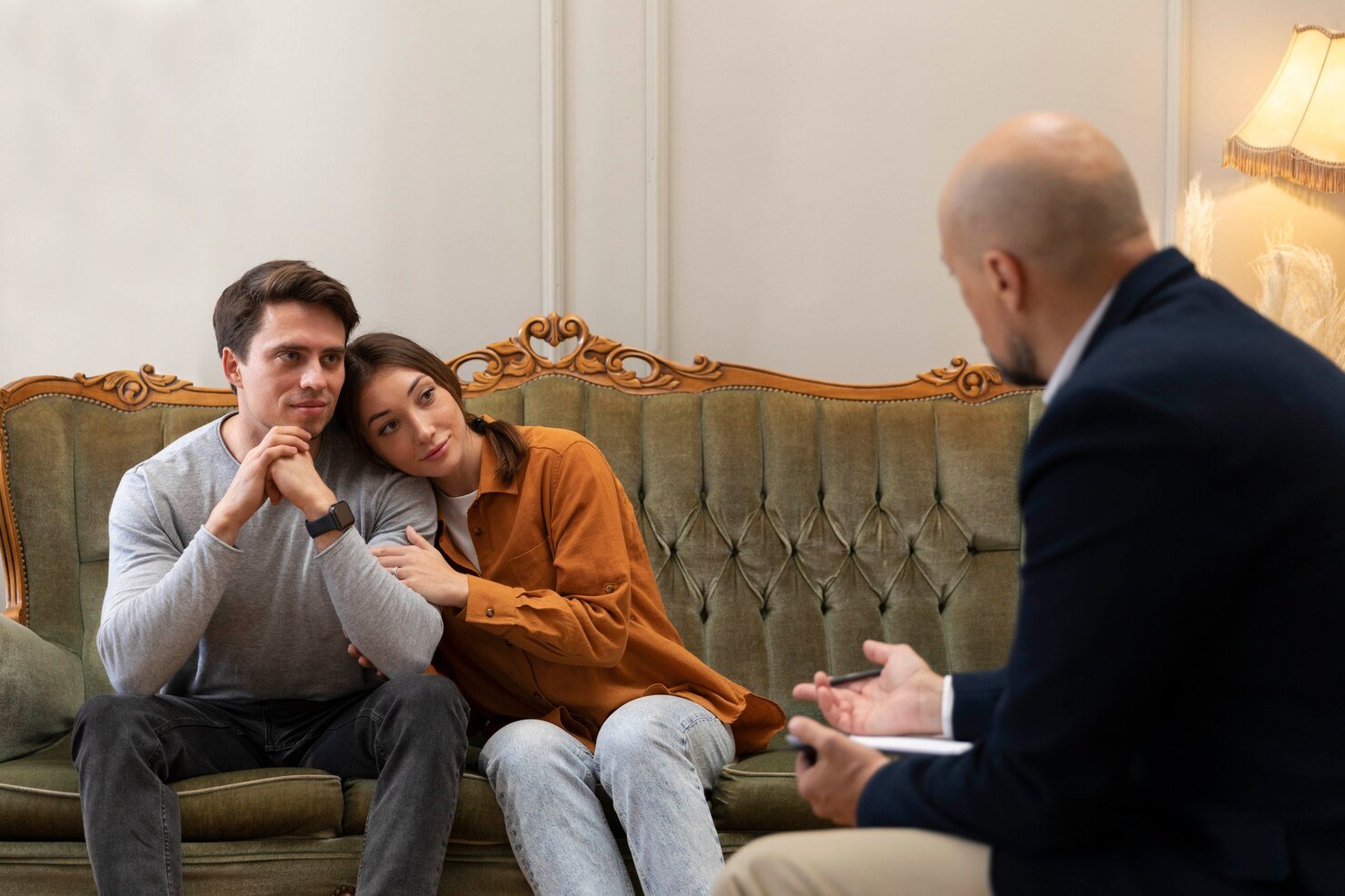

The trauma of infidelity is a recognized clinical response, not a personal failure or overreaction. Couples Retreat, led by Andrew Sofin, MA, RP, TCF, RMFT, supports couples navigating this experience through intensive therapeutic work designed for repair. This article covers both what infidelity trauma is and what genuine healing looks like for couples choosing to move forward together.
What Is Infidelity Trauma and Why Is It Different from Ordinary Grief?
Infidelity trauma is the emotional and psychological response to a trust violation by a chosen intimate partner. The term “betrayal trauma” was coined by researcher Jennifer Freyd in the 1990s to describe a recognized psychological phenomenon. Unlike grief, where the person is gone, infidelity trauma involves a person who remains and is both the source of harm and a potential site of repair. That paradox makes healing structurally different. The brain responds to the discovery of infidelity the same way it responds to physical threat.
The Symptoms of Infidelity Trauma Most People Don’t Recognize
Research indicates that 30 to 60 percent of betrayed partners experience PTSD-level symptoms. Some clinicians use the term Post-Infidelity Stress Disorder (PISD) to describe this specific cluster. Cognitive symptoms include intrusive thoughts, rumination, and inability to concentrate. Emotional symptoms include rage, grief, and numbness cycling in unpredictable patterns. Physical symptoms include sleep disruption, appetite changes, and somatic responses. The body activates a threat response that does not simply switch off. These symptoms are a normal response to a genuine rupture in perceived safety.
Why the Body Responds to Betrayal Like a Physical Threat
The brain’s threat detection system cannot distinguish between a physical danger and a perceived existential one. The discovery of infidelity triggers the same neurochemical cascade. The nervous system enters sustained hyperactivation. This is why reactions feel disproportionate to the immediate moment. The body is still responding to the original rupture. Understanding this is practically useful for both partners in making sense of what is happening between them. The amygdala processes betrayal as threat, activating fight-or-flight responses.
Triggers After Infidelity: What They Are and Why They Happen
A trigger is not about the surface event. It is a full re-experiencing of the original infidelity trauma. The injured partner is not choosing their reaction. The brain has catalogued the original discovery as a threat and responds to associative cues automatically. For couples trying to stay together, misunderstanding triggers is one of the biggest obstacles to repair. The unfaithful partner’s response to triggers either deepens safety or deepens rupture. Recognizing triggers as predictable trauma responses, not manipulation tactics, is essential.
How Long Does Infidelity Trauma Last?
The acute phase of trauma responses typically persists for weeks to months after discovery. Without consistent support, symptoms can become chronic, lasting years or cycling unpredictably. What meaningfully changes the timeline is not time itself but the quality and consistency of the relational and therapeutic work done during that time. Uninterrupted, intensive therapeutic engagement compresses that timeline in ways that once-weekly sessions typically cannot. No honest clinician can give a single number.
The Difference Between Post-Infidelity Stress Disorder and PTSD
Post-Infidelity Stress Disorder is a term used by some clinicians to describe the specific symptom cluster arising from relationship betrayal. It shares features with PTSD: intrusive thoughts, avoidance, hyperarousal. But it has a distinct relational context. In PTSD, the threat is typically external and past. In infidelity trauma, the source of harm is the person the couple is trying to rebuild with. This makes standard trauma treatment insufficient on its own. The relational dimension must be addressed alongside the individual.
Can a Relationship Survive Infidelity Trauma?
Many relationships do survive infidelity when both partners choose to engage in genuine repair. Survival is not passive. It requires the unfaithful partner to be accountable, transparent, and willing to sit with the injured partner’s pain without defensiveness. The injured partner must also, eventually, allow repair to happen. What makes the difference is not the severity of the affair but the quality of the therapeutic and relational process that follows. Format, depth, and consistency determine outcome.
How Couples Retreat Supports Couples Through Infidelity Trauma
Infidelity trauma creates a specific therapeutic challenge. Weekly sessions interrupt the work at the precise moment couples need sustained momentum. Couples Retreat, led by Andrew Sofin, MA, RP, TCF, RMFT, works with one couple at a time in a consecutive-day intensive format. Andrew Sofin brings 25 years of clinical experience and has served as president of the Canadian Association for Couple and Family Therapy (CACFT). A pre-arrival clinical intake ensures the work begins with full context. The retreat exists entirely for that couple’s repair.
What Healing from Infidelity Trauma Actually Requires
Healing from infidelity trauma is not primarily an emotional event. It is a relational and behavioral process. It requires the unfaithful partner to provide full transparency and consistent accountability, not just remorse. The injured partner must have a safe container for processing, not just time. Professional support creates the structure that neither partner can create alone. Healing requires both individual emotional processing and active relational repair happening in coordination, not in sequence.
The Role of Self-Compassion in Betrayal Trauma Recovery
In betrayal trauma infidelity recovery, the injured partner frequently absorbs blame for what happened, asking what they could have done differently. This is a cognitive distortion born from the trauma itself, not an accurate accounting. The same applies to the unfaithful partner, who may carry shame that prevents accountable engagement. Healing the internal narrative, on both sides, is a prerequisite for relational repair, not a consequence of it. Self-compassion is structural, not optional.
Post Infidelity Trauma and the Partner Who Was Unfaithful
Most content on post infidelity trauma addresses only the betrayed partner’s experience. The unfaithful partner also undergoes significant psychological upheaval: shame, self-examination, fear of abandonment. When that shame becomes defensive, it halts repair. The unfaithful partner’s willingness to remain present with the injured partner’s pain, without deflecting, minimizing, or rushing toward forgiveness, is the single most important factor in whether the couple can move forward. Accountability is a behavioral practice, not a feeling.
Conclusion
The trauma of infidelity is real, clinically recognized, and treatable, but recovery requires more than time. It requires the right conditions: accountability, safety, and a therapeutic format deep enough to reach what weekly sessions often cannot. For couples who have decided they want to try, understanding what that process actually demands is the foundation. Couples Retreat exists to provide that foundation under the sustained clinical attention of Andrew Sofin, who brings 25 years of experience treating couples in this situation.

Frequently Asked Questions
What is the trauma of infidelity and how is it different from a breakup?
The trauma of infidelity differs from breakup grief because the relationship and the person remain. The source of harm is also the person the couple may be trying to repair with. This creates a paradox that makes healing more complex. Breakup grief has a defined ending. Infidelity trauma requires navigating loss and repair simultaneously, which is neurologically and emotionally distinct from mourning a concluded relationship.
What are the most common symptoms of infidelity trauma?
Common symptoms include intrusive thoughts, hypervigilance, difficulty concentrating, emotional numbness alternating with intense anger, sleep disruption, and somatic responses such as appetite changes or physical tension. Some clinicians describe this cluster as Post-Infidelity Stress Disorder (PISD). These symptoms are predictable neurobiological responses to a genuine rupture in felt safety. Recognizing them as trauma responses rather than personal failings is the first step toward beginning to address them.
How long does infidelity trauma typically last?
There is no single accurate timeline. Duration depends on the nature of the affair, the degree of transparency after discovery, the quality of therapeutic support, and whether both partners are engaged in repair. The acute phase often persists for weeks to months. Without structured support, symptoms can persist for years or resurface unpredictably. What changes the timeline most meaningfully is not time passing but the depth and consistency of the therapeutic work done.
Can a couple heal from infidelity trauma together, or does each partner need individual therapy?
Both dimensions matter: the individual psychological experience of each partner and the relational repair between them. Individual processing without relational work leaves the couple stuck. Relational work without individual support can feel unsafe for the injured partner. The most effective formats address both simultaneously, which is why intensive couples-focused approaches that include clinical oversight of both partners often produce more traction than alternating between separate individual therapists.
What is the difference between betrayal trauma and PTSD?
Betrayal trauma and PTSD share core features: intrusive thoughts, hyperarousal, avoidance. But betrayal trauma has a distinct relational structure. In PTSD, the traumatizing agent is typically external and past. In betrayal trauma, the source of harm is still present and often still loved. That ongoing presence means the nervous system cannot fully complete its threat response. Some clinicians use the term Post-Infidelity Stress Disorder to describe this specific cluster.
How to heal from infidelity trauma when you want to save the relationship?
Healing while choosing to stay requires both partners to commit to specific behaviors, not just feelings. The unfaithful partner must provide transparency, accountability, and patient presence with the injured partner’s pain. The injured partner must eventually allow repair attempts to land. Professional support creates the structure neither partner can generate alone. The format of that support matters. Intensive, uninterrupted work allows couples to move through what weekly sessions often stall on.