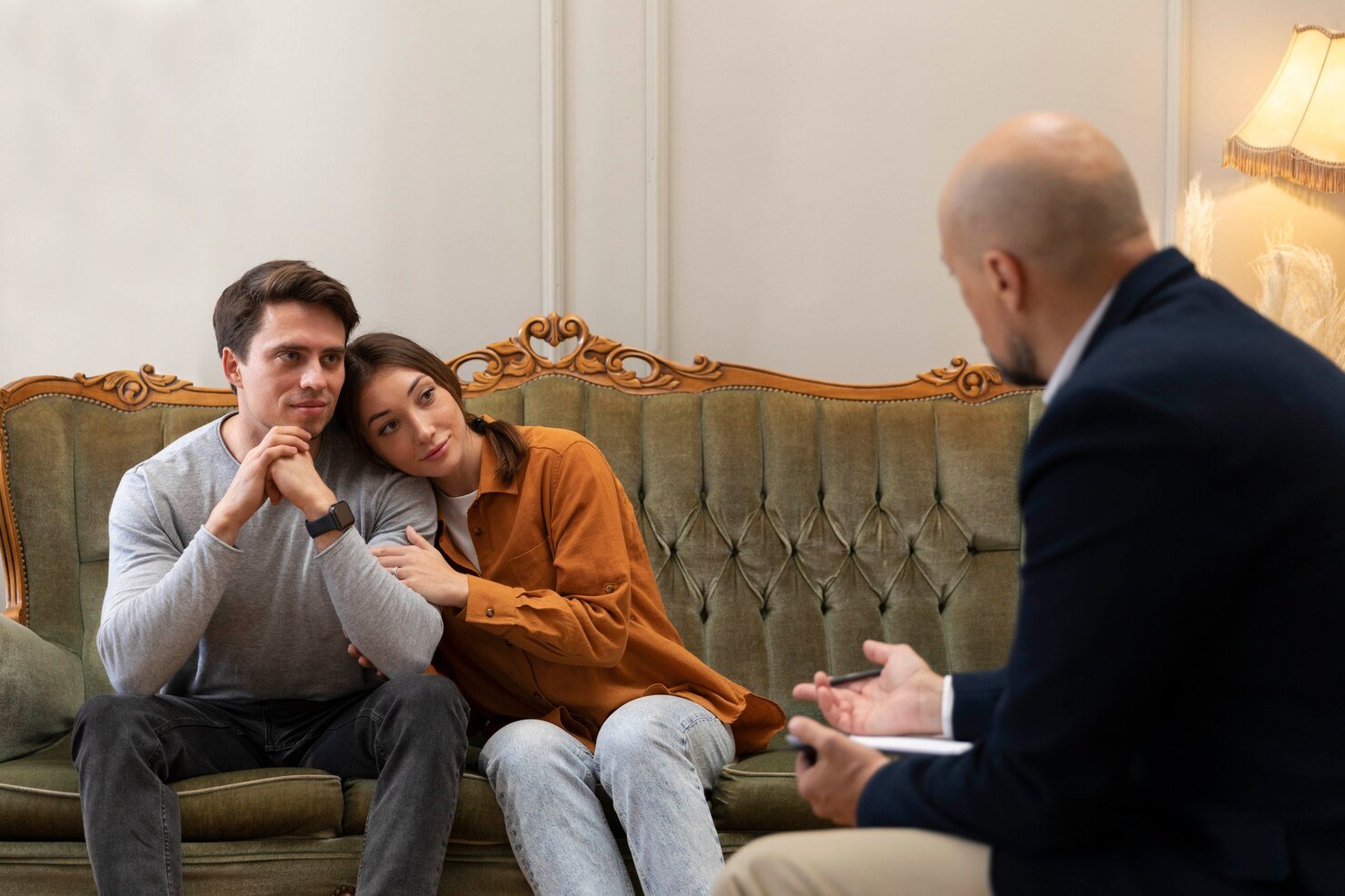

Intensive marriage counseling and weekly therapy both work. The difference is that they work for different couples in different situations. This guide walks through the clinical distinctions between both formats and the specific signals that indicate which one is the right match for where your relationship is right now.
What Intensive Marriage Counseling Actually Involves
Intensive marriage counseling typically spans one to three consecutive days of extended clinical work, often four to eight hours per day. Unlike weekly therapy, there is no gap between sessions. A pre-intensive assessment precedes the program to gather relationship history and set the clinical agenda. The format compresses what might take months of weekly sessions into a concentrated period by removing the interruptions and regression gaps that the weekly format structurally imposes on couples in distress.
How Weekly Therapy Works by Comparison
Weekly couples therapy involves 50 to 60 minute sessions once per week. The gradual cadence creates space to practice new communication skills between sessions and to observe real-life changes. For couples not in acute crisis, each session builds on the last in a steady, manageable rhythm. The intake process typically spans several sessions before active therapeutic work begins. Long-term skill reinforcement and relational maintenance are genuine strengths of this format.
When Intensive Marriage Counseling Is the Right Choice
Intensive marriage counseling is typically indicated when the relationship is in active crisis: affair disclosure, separation threat, or communication that has broken down completely. When professional schedules prevent consistent weekly appointments. When both partners are committed and want to address core issues without extended delay. When a decision about the relationship needs to be made and weekly pacing cannot support that process within a timeframe that reflects the urgency the couple is actually experiencing.

When Weekly Therapy Is the Better Format
Weekly therapy is often the stronger choice when the relationship is generally stable and the goal is incremental improvement rather than crisis resolution. When one partner is hesitant or ambivalent. When the goal is gradual habit formation, the weekly format provides space between sessions to practice and observe change in real life. New relational patterns need time to be tested, adjusted, and reinforced before they become durable, and weekly sessions support that developmental arc.
The Problem With Weekly Sessions in Crisis Situations
Weekly sessions include a seven-day gap during which couples return to the same environment and patterns that created the crisis. Progress made in sessionmight fade before the next appointment. For couples managing active betrayal, escalating conflict, or impending separation, that week between sessions can compound damage rather than contain it. Couples in genuine crisis frequently find that the pace of weekly therapy cannot meet the urgency their relationship actually requires.
Key Differences in Format, Depth, and Outcomes
Intensive marriage counseling produces faster observable change through uninterrupted clinical depth. Weekly therapy produces more gradual, sustained skill development over time. Intensive formats are better suited to complex, layered issues that require sustained attention to fully unpack. Weekly formats are better suited to ongoing relational maintenance and incremental growth from a stable foundation. Both are effective when applied to the right situation. The critical variable is whether the format matches what the couple actually needs.
Can Both Formats Be Combined?
Many experienced clinicians recommend beginning with an intensive to address acute issues and break entrenched patterns, then transitioning to periodic weekly or monthly sessions to consolidate gains. The intensive provides the breakthrough; the follow-up sessions provide accountability and reinforcement. For couples who have tried weekly therapy without meaningful progress, an intensive can reset the therapeutic relationship and create new traction. The combined path often produces stronger long-term outcomes than either format alone.
What Couples Retreat Offers That Others Do Not
Couples Retreat is distinct from both office-based intensives and group retreat programs. Every session is led by Andrew Sofin, RMFT, a licensed couples and family practitioner with over 25 years of experience, visiting professor at the University of Guelph, and president of CACFT. Sessions take place in a private resort setting removing both partners from their daily environment. Clinical continuity, named-clinician accountability, and environmental removal serve couples requiring clinical rigor and confidentiality.
How to Choose the Right Clinician for an Intensive
Not all therapists who offer intensives have formal training in the format. Relevant factors include specific training in couples therapy, experience conducting multi-day programs, and whether they conduct a genuine pre-intensive assessment rather than an extended intake. A pre-consultation should surface these questions. Credential types most relevant to couples work include licensure in marriage and family therapy and membership in a professional association such as CACFT.

What Intensive Marriage Counseling Cannot Fix
Intensive marriage counseling is not appropriate for every couple. Active domestic violence or coercive control require specialized safety planning before couples work begins. When one partner has untreated severe mental illness or active addiction, individual treatment typically needs to precede the intensive. If one partner is in an ongoing affair they are unwilling to end, the couple cannot benefit. A qualified clinician will raise these questions during the pre-intensive consultation and advise accordingly.
Intensive Couples Counseling Retreats as a Distinct Option
A private intensive couples counseling retreat differs from both an office-based intensive and a group couples retreat. The setting removes both partners from their daily environment, routines, and conditioned stress triggers. Unlike group retreats, a private retreat keeps the therapeutic relationship strictly between the couple and their clinician, with no shared programming. For couples whose home environment is a source of relational stress, this removal adds a meaningful clinical variable to the work.
Conclusion
Intensive marriage counseling and weekly therapy serve different couples at different moments in a relationship. The intensive format suits couples in acute distress, those who have stalled in weekly therapy, and those needing concentrated work to reach a significant relational decision. Weekly therapy serves couples building from a stable foundation. The most important variable is not the format itself but whether the clinician guiding it is genuinely qualified to lead intensive marriage counseling with the required depth and continuity.
Frequently Asked Questions
How long does intensive marriage counseling typically take?
Most programs span one to three consecutive days, each involving several hours of clinical work, preceded by a pre-intensive assessment. Some providers offer single-day formats for couples with less complex needs. Multi-day formats allow more time for integration within the program. The right length depends on the issues, the couple’s goals, and what the clinician determines is appropriate during the pre-intensive consultation.
Is intensive marriage counseling covered by insurance?
Coverage varies by provider and plan. Many intensive programs operate outside standard insurance billing because the format does not align with typical per-session codes. Couples should contact their insurance provider directly and ask their clinician about available payment structures before booking. Confirming arrangements in advance avoids uncertainty and allows both partners to enter the intensive with full focus on the work.
What is the difference between intensive couples counseling and a couples retreat?
A couples retreat typically involves a group setting with other couples present. Intensive couples counseling is a private, one-on-one clinical experience. Private intensive couples counseling retreats combine both: the immersive setting of a retreat with the full clinical privacy of a one-on-one intensive. For sensitive issues including infidelity or serious relational crisis, the private format offers confidentiality and clinical customization that group retreat programming cannot replicate.
How do we know we are ready for an intensive marriage counseling program?
Readiness is assessed during a pre-intensive consultation. Key indicators include both partners being willing to engage, the relationship not being in an active safety situation, and both partners motivated toward a shared goal, even if that goal is gaining clarity about the future. Some ambivalence is common and does not disqualify a couple. The consultation is designed to assess whether the timing and fit are right.
Can we do intensive marriage counseling if we have tried weekly therapy before?
Weekly therapy is not a disqualifier, couples who have stalled there are among the most common intensive candidates. The intensive format addresses what makes weekly therapy difficult: the gap between sessions that allows regression. Couples who felt they were reaching meaningful territory when sessions ended often find the intensive allows them to stay in that productive space long enough to resolve what weekly appointments could not.
What happens after an intensive marriage counseling program ends?
Most intensive programs conclude with a structured plan including specific tools, communication frameworks, and agreed-upon next steps. Some couples transition into periodic follow-up sessions; others find the shift produced by the intensive sufficient to continue independently. The post-intensive period requires intentional application of what was learned. Some clinicians offer check-ins at one month or three months to support integration as the couple returns to daily life.